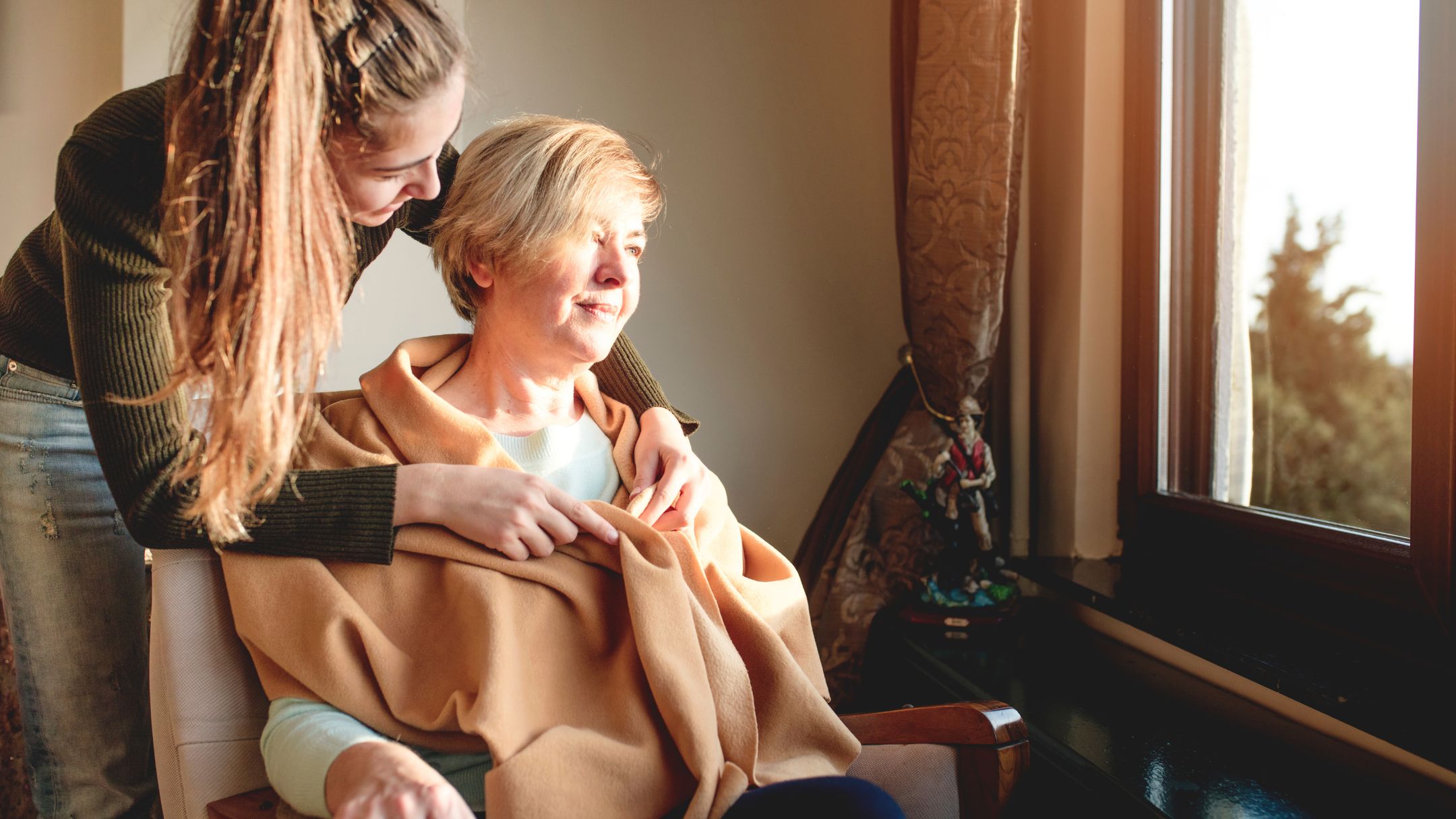
If your parent has been diagnosed with hypertension, you're far from alone. High blood pressure is one of the most prevalent chronic conditions among older Canadians, and for many families it becomes a quiet background worry: Is Mum remembering her medication? Is Dad eating too much salt? Is anyone noticing if something seems off?
The reassuring news is that with the right routines and a little extra support, most older adults with hypertension can live comfortably and safely at home for years. This guide walks through what families in the GTA and York Region typically find most helpful.
Why Hypertension Deserves Steady Attention at Home
High blood pressure often has no dramatic symptoms, which is partly why it's called the "silent" condition. For older adults living alone, this can mean that warning signs—unusual headaches, dizziness, sudden fatigue, or confusion—go unnoticed for too long. The goal of home support isn't to turn every day into a medical event; it's to create an environment where small changes are spotted early and healthy habits are easy to maintain.
Practical Ways to Support a Parent with Hypertension
Medication Consistency
Blood pressure medications generally work best when taken at the same time each day. Missing doses—even occasionally—can lead to fluctuations that increase risk. If your parent is managing several prescriptions, a simple pill organiser and a gentle daily reminder can make a meaningful difference. A trusted companion caregiver can build this into a regular visit without it feeling clinical or intrusive.
Note: Always defer to your parent's doctor or pharmacist for medication guidance. The caregiver's role is reminding, not advising on dosage or changes.
Heart-Friendly Meals
Diet has a well-documented relationship with blood pressure. Reducing sodium, eating more vegetables and whole grains, and limiting processed foods are all commonly recommended—but knowing what to eat and actually cooking it are two different things, especially for an older adult who lives alone or has limited energy.
Practical meal support can include:
- Helping plan a weekly menu with lower-sodium options
- Reading labels at the grocery store together
- Preparing simple, flavourful meals that don't rely on salt
- Keeping easy-to-grab healthy snacks stocked in the kitchen
A companion caregiver who visits regularly can gently make these habits part of an ordinary week rather than a chore your parent dreads.
Gentle Movement and Routine
Light physical activity—a daily walk, some gentle stretching, time outdoors—supports cardiovascular health and can help manage blood pressure over time. It also supports mood and sleep, both of which matter. If your parent's doctor has recommended a certain level of activity, a consistent companion can encourage that routine and make it something to look forward to rather than something to skip.
Reducing Stress and Isolation
Chronic loneliness and stress are genuinely hard on the heart. Older adults who live alone and have limited social contact can experience an ongoing low-level stress that isn't always obvious from the outside. Regular, predictable companionship—someone who shows up at the same time each week, knows your parent's stories, and genuinely enjoys their company—provides more than entertainment. It provides a sense of being seen and valued, which has real physiological benefits.
Monitoring and Communication
Many families find it useful for their parent to keep a simple log of their blood pressure readings (if their doctor has recommended home monitoring) to bring to appointments. A caregiver can help with this in a low-key way—setting a reminder, writing down the numbers, making sure the log goes to the appointment. Just as importantly, a caregiver who visits consistently is far more likely to notice subtle changes—unusual fatigue, complaints of dizziness, a change in appetite—and communicate these to family members so that concerns can be raised with a healthcare provider promptly.
What to Watch For
While a companion caregiver is not a medical professional, regular presence in the home means certain things are less likely to be missed. Encourage your caregiver and your parent to flag any of the following to a family member or healthcare provider:
- Unusual or persistent headaches
- Sudden dizziness or problems with balance
- Noticeable shortness of breath
- Confusion or difficulty speaking that comes on suddenly
- Swelling in the ankles or legs
These are not meant to alarm—they are simply prompts to make sure nothing goes unnoticed. If any symptom seems sudden or severe, the answer is always to call 911 first.
How Consistent In-Home Support Helps
One of the most underappreciated aspects of managing a chronic condition like hypertension is consistency. It isn't any single intervention that makes the difference—it's the accumulation of good habits, maintained week after week. That's exactly where in-home companion care tends to shine. A caregiver who knows your parent, understands their preferences, and shows up reliably becomes a natural part of the support system that keeps daily life on track.
At Hearthlane, we pair every client with the same caregiver each week across the GTA and York Region—precisely because consistency is what actually builds trust and results. We're launching in 2026, and if you're beginning to think about support for a parent with hypertension or another chronic condition, we'd love to hear from you. Joining our waitlist is a simple way to stay connected and be among the first families we reach out to when we open in your area.
A Final Word for Family Caregivers
Managing a parent's hypertension from a distance, or while balancing your own work and family, is genuinely demanding. You don't need to do it alone, and you don't need to have every answer. Building a small, reliable circle of support around your parent—their doctor, their pharmacist, a trusted caregiver, and you—goes a long way toward making sure nothing important falls through the cracks.
Start small. Even one regular visit a week can change the texture of your parent's days and give you peace of mind that someone steady is there.