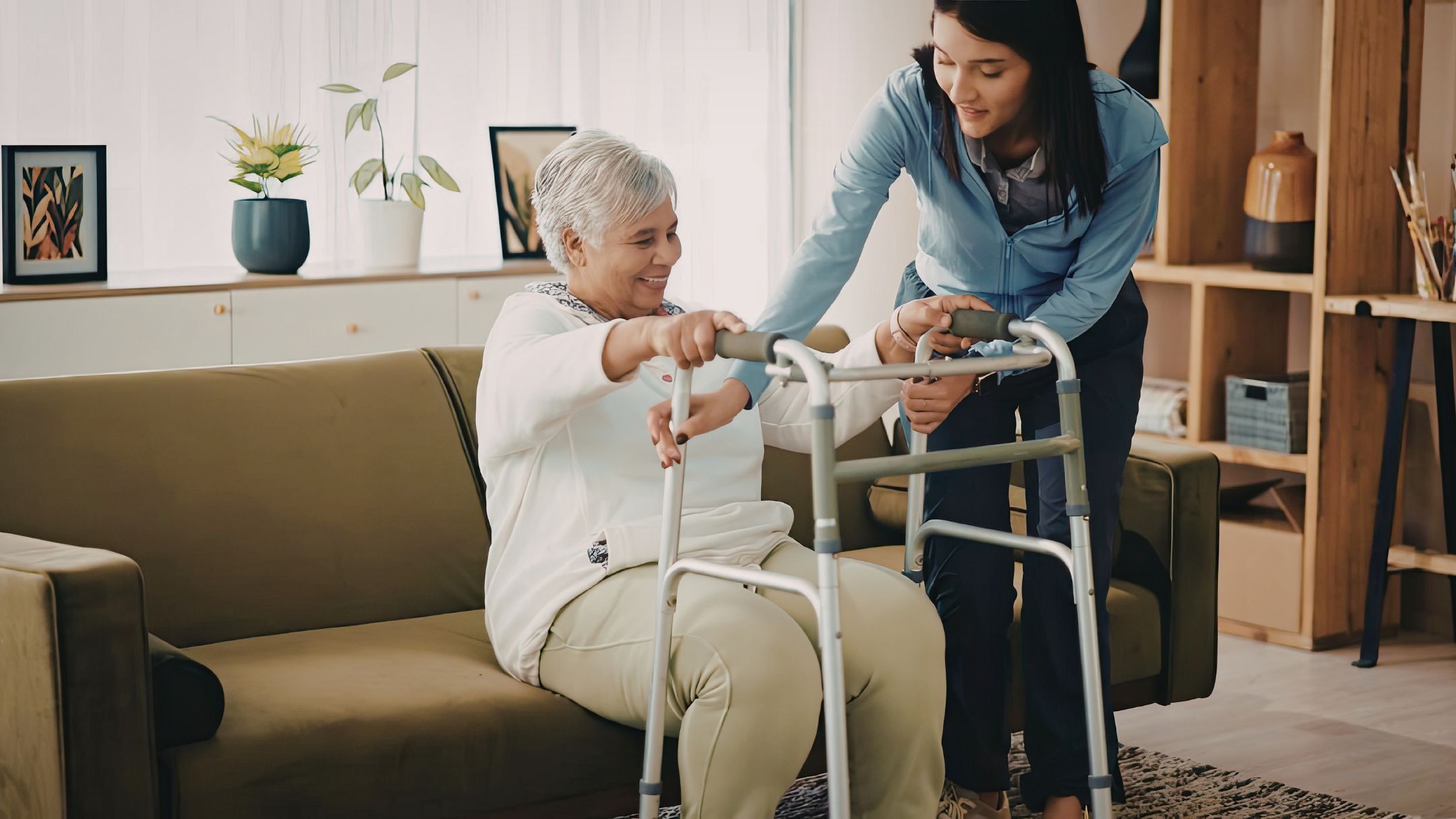
Osteoarthritis is one of the most common conditions affecting older adults in Canada — and for many families, it creeps up gradually. Your mum starts wincing when she opens a jar. Your dad takes longer to climb the stairs. Mornings become their own small battle. By the time you notice how much has changed, your parent may have been quietly adapting — and quietly struggling — for months.
If you're supporting an aging parent with osteoarthritis from across the GTA or York Region, this guide is for you. It won't replace your parent's medical team, but it can help you understand what's happening day to day and how to make home life safer, more comfortable, and less isolating.
What Osteoarthritis Actually Means for Daily Life
Osteoarthritis (OA) is a degenerative joint condition — cartilage breaks down over time, leaving bones with less cushioning. The knees, hips, hands, and spine are the most commonly affected areas in older adults. Unlike a sudden illness, OA tends to worsen gradually, which means your parent may downplay it or not fully realize how much it's limiting them.
Common day-to-day effects include:
- Morning stiffness that can last anywhere from a few minutes to over an hour
- Pain that worsens with activity — and sometimes with rest
- Reduced grip strength, making tasks like cooking, buttoning clothes, or turning taps genuinely difficult
- Fatigue, often from the effort of managing persistent pain
- Changes in gait or balance, which raise the risk of falls
- Withdrawal from activities they once enjoyed, including social ones
That last point matters more than many families realize. When pain makes it hard to get out or engage, isolation can follow — and isolation has its own serious effects on an older adult's mental and physical health.
Making the Home Easier to Navigate
A few practical changes around the house can make a meaningful difference. You don't need to renovate — small adjustments add up.
In the kitchen
- Move frequently used items to counter height so your parent isn't bending or reaching overhead
- Swap standard knobs and taps for lever-style handles, which are far easier with arthritic hands
- Keep jar openers, ergonomic utensils, and non-slip mats on hand
- Consider a kettle tipper or a smaller, lighter kettle to reduce the risk of spills and strain
In the bathroom and bedroom
- Grab bars beside the toilet and in the shower are among the highest-value safety additions
- A raised toilet seat can significantly reduce strain on arthritic knees and hips
- A shower chair or bench lets your parent bathe safely without standing the whole time
- Ensure the bed height is right — getting in and out of a too-low or too-high bed is unnecessarily hard
Around the house
- Clear pathways and remove rugs that shift underfoot
- Ensure lighting is good, especially on stairs and in hallways
- If your parent uses a cane or walker, make sure it's properly fitted — an occupational therapist can assess this
Supporting Movement, Gently
It can be tempting — both for your parent and for you as a caregiver — to avoid movement when joints hurt. But gentle, regular movement is actually one of the most evidence-supported ways to manage OA. Strengthening the muscles around affected joints helps protect them, and movement keeps stiffness from worsening.
The key word is gentle. Walking, swimming, and chair-based exercises are often well tolerated. Many communities across the GTA and York Region offer arthritis-friendly fitness programs through local community centres and YMCAs. A physiotherapist can provide a tailored home exercise plan — something worth raising with your parent's doctor.
If your parent is reluctant to move because of pain, that's also worth discussing with their physician. Pain management — whether through medication, topical treatments, heat and cold therapy, or other approaches — should be part of an ongoing conversation with their care team.
Where Companion Care Fits In
Osteoarthritis often doesn't stop someone from living independently — but it can make independence harder to maintain without a little support. That's exactly where non-medical companion care can help.
A regular caregiver can assist with:
- Meal preparation, especially on days when hands and joints are stiff or painful
- Light housekeeping — tasks like vacuuming, carrying laundry, or cleaning that are hard on arthritic joints
- Errands, including grocery runs when getting out is difficult
- Medication reminders, so pain management stays on schedule
- Companionship, which matters enormously when pain leads to withdrawal and isolation
- Family updates, keeping you informed about how your parent is doing week to week
Consistency matters here. When your parent sees the same familiar face each week, they're more likely to be honest about how they're feeling — including on harder days. That kind of trust takes time to build, and it's worth building.
At Hearthlane, we're building a companion care service designed around exactly that consistency — same caregiver, same time, every week — for older adults across the GTA and York Region. We're launching in 2026, and families are joining our waitlist now. If you're beginning to think about support for a parent with OA, joining the waitlist is a no-pressure way to stay in the loop.
Keeping an Eye on the Bigger Picture
Osteoarthritis is a progressive condition, which means your parent's needs today may look different in a year or two. Staying in regular contact — whether you live nearby or further away — helps you notice changes before they become crises. When you visit or call, pay attention to how your parent is moving, what they're eating, and whether they seem engaged or withdrawn.
And don't forget: your parent's physician, a physiotherapist, and an occupational therapist can all play a meaningful role in helping them manage OA well at home. If your parent hasn't seen these specialists recently, it's worth encouraging that conversation.
Supporting a parent with osteoarthritis isn't about taking over — it's about helping them stay as comfortable, safe, and connected as possible in the home they love. Often, a little consistent help makes all the difference.