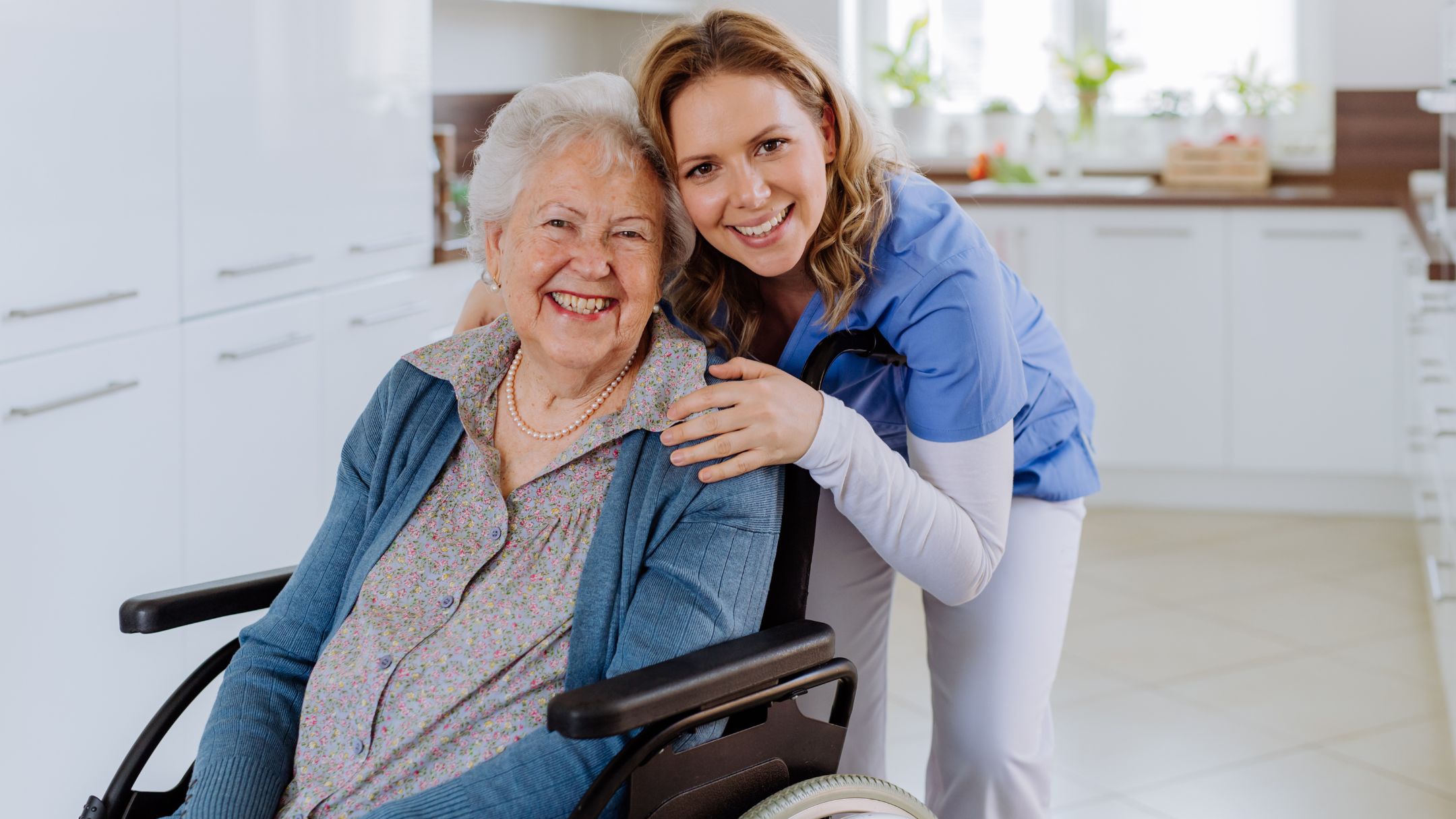
If your mum or dad has been diagnosed with osteoporosis, your first instinct is probably to worry about falls. That instinct is reasonable — a fracture from weakened bones can be a serious setback for an older adult. But here's what's easy to miss: the anxiety about falling can sometimes become just as limiting as the condition itself. Parents start moving less, socializing less, and relying more heavily on family — often without anyone quite realizing how much has shifted.
The good news is that thoughtful support at home can make a real difference. You don't have to choose between wrapping your parent in bubble wrap and hoping for the best. There's a practical middle ground, and this guide is meant to help you find it.
Understanding What Osteoporosis Actually Means Day to Day
Osteoporosis causes bones to become less dense and more prone to fracturing — sometimes from surprisingly minor bumps or even a forceful sneeze. The hips, spine, and wrists are the most common fracture sites. Your parent's physician or specialist will guide treatment, which often includes medication, calcium and vitamin D, and weight-bearing exercise.
What the clinic appointment can't always cover is the texture of daily life at home: the slightly uneven bathroom mat, the heavy bag of groceries, the morning stiffness that makes the first trip to the kitchen feel uncertain. That's where family — and in-home support — comes in.
Making the Home Safer Without Making It Feel Like a Hospital
A few targeted changes go a long way. The goal isn't to strip the house of everything familiar; it's to quietly remove the hazards that raise the odds of a fall.
- Floors and pathways: Secure or remove loose rugs. Keep pathways between rooms clear of cords, pet toys, and clutter. Good lighting — especially between the bedroom and bathroom at night — matters more than most families realize.
- The bathroom: Grab bars near the toilet and inside the shower or tub are among the highest-value investments you can make. A non-slip bath mat inside the tub and a shower chair for days when standing feels tiring are also worth considering.
- The kitchen: Move frequently used items to counter height so your parent isn't reaching up or crouching down. A sturdy step stool with a handle rail is safer than a kitchen chair if something does need to come off a higher shelf.
- Footwear: Encourage your parent to wear well-fitting, non-slip footwear indoors rather than socks or loose slippers. It's a small habit with a meaningful impact.
- Outdoor entries: Ice and snow on front steps are an Ontario reality. Make sure those areas are salted and cleared promptly — and consider whether your parent should avoid going out alone during icy conditions.
Supporting Good Nutrition at Home
Calcium and vitamin D are essential for bone health, and your parent's physician or dietitian can advise on appropriate amounts and whether supplements make sense. From a practical standpoint, helping ensure your parent is actually eating well — regularly and with variety — matters enormously.
This is where many families quietly struggle. A parent living alone may not bother cooking a full meal, may skip dairy because it feels like too much effort, or may simply not have much appetite. A companion who visits regularly and helps with meal preparation can make a real difference here — not by replacing medical nutrition advice, but by making sure the basics actually happen.
Keeping Your Parent Moving (Gently)
It might seem safest to encourage your parent to rest more, but in fact, appropriate movement is one of the best things for osteoporosis. Weight-bearing activities — walking, gentle strength exercises — help maintain bone density and muscle mass, both of which reduce fracture risk. Your parent's care team can recommend what's appropriate for their specific situation.
The practical challenge is motivation and confidence. Many older adults with osteoporosis become fearful of movement, which leads to deconditioning, which ironically increases fall risk. A regular companion who walks with your parent around the neighbourhood, encourages a seated exercise routine, or simply makes daily activity feel less daunting can be quietly transformative.
Watching for the Signs That More Support Is Needed
Osteoporosis is progressive, and your parent's needs may change over time. Keep an eye out for:
- Increasing reluctance to move around the home or go outside
- Changes in posture — a new forward stoop can signal a compression fracture in the spine, which sometimes occurs without a dramatic fall
- Complaints of back or hip pain that are new or worsening
- Signs of reduced confidence or growing anxiety about falling
- Difficulty managing tasks that require carrying, reaching, or balance
If you notice any of these, it's worth looping in your parent's physician. And if you're finding that your parent needs more day-to-day support than your family can realistically provide, it may be time to think about regular in-home help.
How Companion Care Fits In
Companion care isn't medical — a companion caregiver won't manage your parent's osteoporosis treatment. But for families across the GTA and York Region, companion care fills the gap between what family can offer and what keeps a parent genuinely safe and well day to day.
A consistent weekly companion can help with meal preparation and light groceries, provide steady support and encouragement for gentle activity, assist with medication reminders so doses aren't missed, keep an eye out for any changes worth flagging to family, and most importantly, offer the kind of regular human connection that keeps anxiety from quietly taking over your parent's world.
Having the same caregiver each week matters here. A familiar face who knows your parent's home, their routines, and their particular version of a good day is genuinely better placed to notice if something seems off — and to offer the kind of easy, unhurried companionship that makes staying at home feel like a pleasure rather than a worry.
If you're starting to think about what support might look like for your family, Hearthlane is launching in the GTA and York Region in 2026. You're welcome to join our waitlist to be among the first families we connect with when we open our doors.
A Few Things Worth Confirming With Professionals
Every parent's situation is different, and this post is meant as a starting point rather than medical or financial advice. For specifics on your parent's bone health and exercise plan, their physician or a physiotherapist is your best resource. For questions about whether home-care costs may be eligible under Ontario's Medical Expense Tax Credit or any extended-health coverage, an accountant or benefits administrator can give you a clear answer for your family's circumstances.
What we can say with confidence: with the right support around them, many older adults with osteoporosis live actively and confidently at home for years. That's a goal worth working toward together.