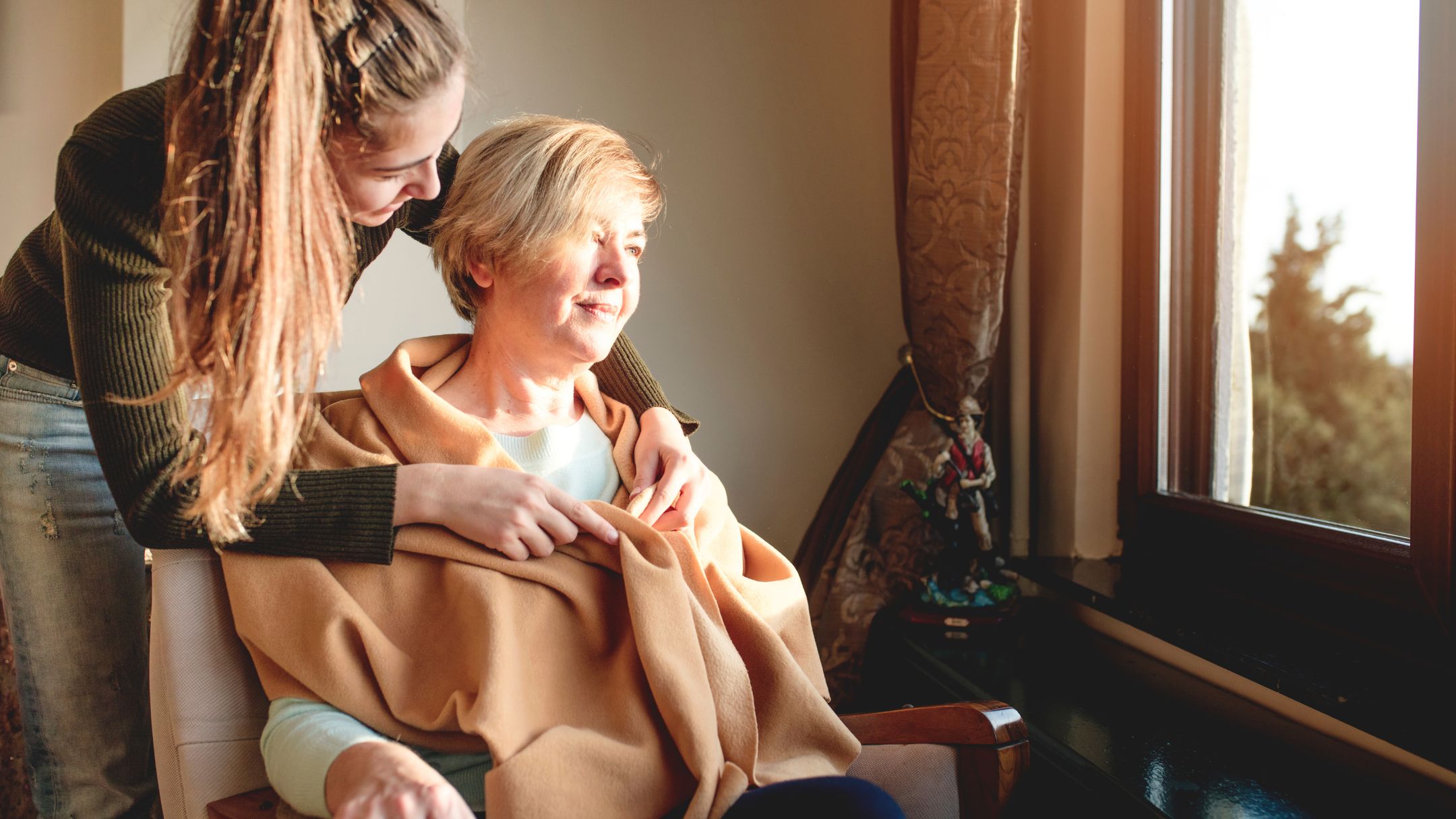
If your parent has recently been diagnosed with shingles, you may have been surprised by how much it has set them back. Many adult children expect shingles to be a short-term nuisance—an itchy rash that clears up in a week or two. In reality, shingles can leave an older person exhausted, in significant pain, and struggling with daily tasks for a month or longer. For some seniors, a complication called postherpetic neuralgia (ongoing nerve pain after the rash heals) can persist for months.
Understanding what your parent is going through—and putting some practical support in place—can make a real difference in how well and how quickly they recover.
Why Shingles Hits Older Adults Harder
Shingles is caused by the varicella-zoster virus, the same virus that causes chickenpox. After chickenpox resolves, the virus lies dormant in the nervous system and can reactivate decades later, usually when the immune system is weakened by age, stress, or illness.
Because immune function naturally declines with age, adults over 60 are both more likely to develop shingles and more likely to experience severe symptoms. The rash typically appears as a painful, blistering band on one side of the body or face. Alongside the rash, your parent may experience:
- Intense burning, stabbing, or aching pain
- Sensitivity to touch—even light clothing can be unbearable
- Fatigue and low energy that can last well beyond the rash
- Headaches, fever, and general malaise in the early stages
- Disrupted sleep due to discomfort
None of this is something your parent is exaggerating. Shingles pain is genuinely difficult to manage, and the exhaustion is real.
What Recovery at Home Looks Like
Most older adults with shingles are treated at home with antiviral medications, pain relievers, and supportive care. Recovery typically unfolds over several weeks, and during that time your parent may need help with things they would normally handle themselves.
Day-to-Day Tasks Become Difficult
When pain and fatigue are severe, even simple tasks—cooking a meal, getting dressed, picking up prescriptions—can feel overwhelming. Your parent may resist asking for help even when they clearly need it. Checking in regularly and gently offering support (rather than waiting to be asked) is often the most effective approach.
Nutrition Matters for Recovery
A nutritious diet supports the immune system during recovery, but cooking is often the last thing a person in pain wants to do. If you can, arrange for simple, easy-to-eat meals to be available throughout the day. If you live nearby, dropping off food a few times a week helps enormously. If you don't, a companion caregiver can step in to prepare meals and ensure your parent is eating and drinking enough—dehydration and poor appetite are common during illness.
Medication Reminders and Routine
Antiviral medications are most effective when taken on schedule, particularly in the early stages of the illness. Pain management often involves multiple medications at different times of day. When a parent is unwell and exhausted, keeping track of a medication schedule can be genuinely hard. A companion caregiver can provide gentle reminders and alert family members if something seems off—without replacing the role of a pharmacist or physician.
Watching for Complications
Most cases of shingles resolve without lasting problems, but complications do occur, particularly in older adults. Families should know to contact a healthcare provider if their parent develops:
- A rash near the eye (shingles affecting the eye can threaten vision)
- Symptoms that seem to be worsening rather than improving after several days
- Signs of a secondary skin infection such as increased redness, warmth, or discharge
- Confusion, severe headache, or any neurological symptoms
- Pain that persists well after the rash has healed
This guide is not a substitute for medical advice—always consult your parent's physician or nurse practitioner if you're concerned.
The Emotional Side of a Shingles Recovery
It's worth acknowledging that a prolonged illness can affect an older person's mood and outlook. Being in pain, sleeping poorly, and feeling dependent on others is frustrating and demoralising. Your parent may become withdrawn, irritable, or anxious about whether they'll fully recover.
Regular company—whether from you, other family members, or a consistent companion caregiver—can help counteract that isolation. Simply having someone present to talk, listen, and keep the day moving forward matters more than it might seem.
When Family Support Isn't Quite Enough
Many families discover during an illness like shingles that their parent needs more day-to-day support than the family can realistically provide—especially if you're managing work, your own children, and a commute across the GTA. That's not a failure; it's simply the reality of modern family life.
In-home companion care can fill that gap. A regular caregiver can visit a few times a week to assist with meals, light housekeeping, errands, medication reminders, and—perhaps most importantly—warm, consistent company during a difficult stretch. Because Hearthlane pairs each client with the same caregiver every week, your parent isn't meeting a new face every visit; they're building a relationship with someone they can trust.
If you're thinking about putting some support in place—whether for a shingles recovery or simply as a longer-term arrangement as your parent gets older—Hearthlane's waitlist is now open. Joining the list is a no-pressure way to learn more and get in touch when the time feels right.
A Note on Prevention
Ontario's publicly funded immunisation schedule includes the shingles vaccine for eligible older adults, and it is widely recommended by healthcare providers. If your parent hasn't yet been vaccinated, it's worth raising with their physician—particularly after they've fully recovered, since vaccination after a shingles episode may still be recommended depending on the circumstances. Your parent's doctor or pharmacist is the right person to advise on timing and eligibility.
You Don't Have to Figure This Out Alone
Watching a parent suffer through shingles—and trying to coordinate care from a distance, or around your own schedule—is genuinely hard. Be kind to yourself, lean on whatever support is available, and don't hesitate to ask for help arranging more formal care if that's what your parent needs to recover well and stay safe at home.