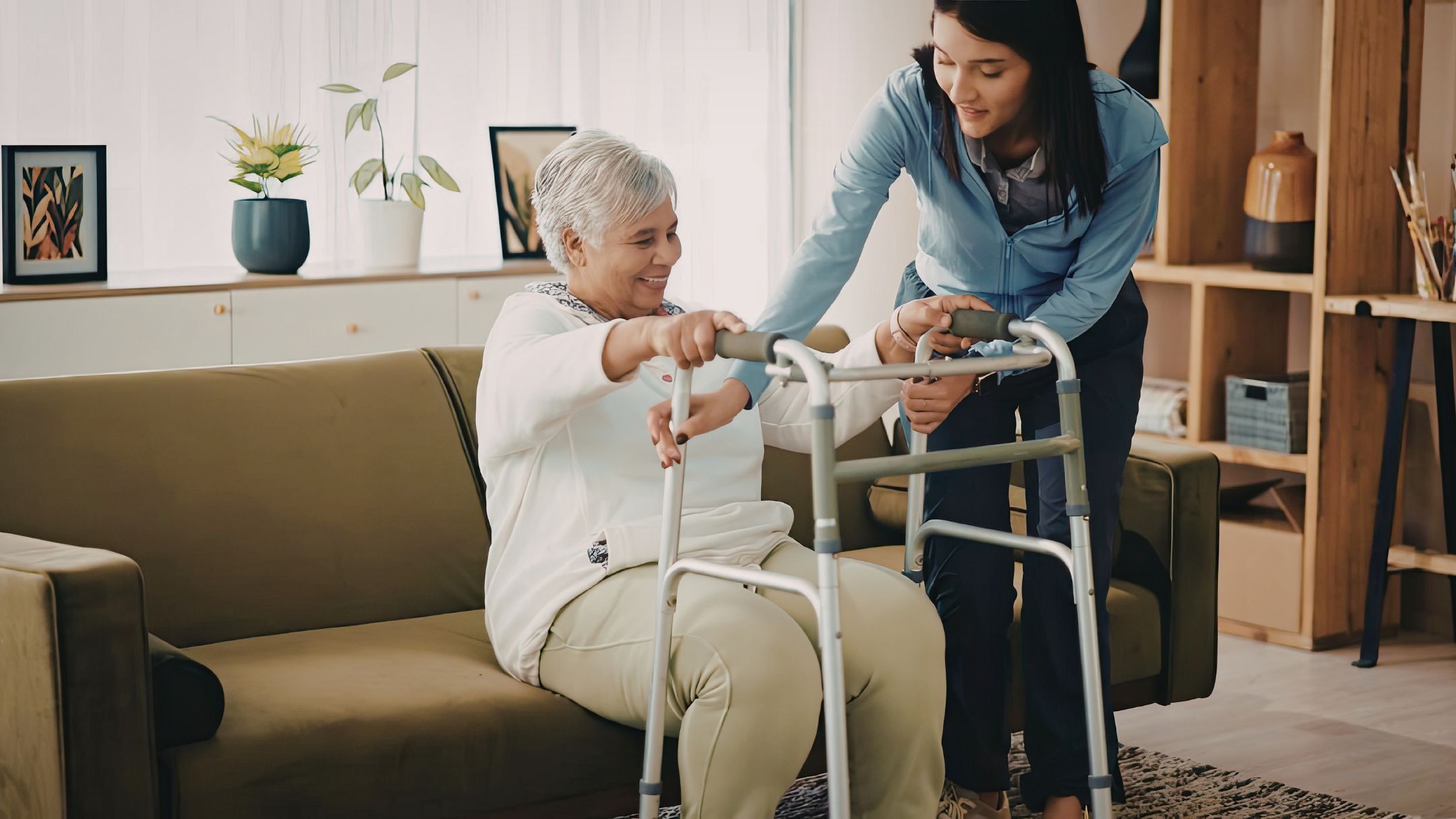
When a parent is diagnosed with Parkinson's disease, the path forward can feel uncertain. The condition progresses differently for everyone, and for many families in the GTA and York Region, the goal is the same: help Mum or Dad stay safely and comfortably at home for as long as possible.
Parkinson's is about much more than tremors. Over time it can affect balance, speech, swallowing, sleep, mood, and the ability to manage everyday tasks. Understanding what kind of support is available — and when to introduce it — can make a real difference in your parent's quality of life and your own peace of mind.
How Parkinson's Affects Day-to-Day Life at Home
In the early stages, your parent may manage most things independently. But as the condition progresses, certain tasks become harder:
- Morning routines take longer and require more effort, particularly on days when stiffness is at its worst.
- Meal preparation can become risky when tremors affect grip strength or balance at the stove.
- Medication management grows more complex — Parkinson's medications are often time-sensitive, and missing a dose can significantly affect how a person feels and moves.
- Getting out of chairs and moving around the home increases fall risk, especially if freezing episodes occur.
- Social withdrawal is common. Fatigue, changes in speech, and a reluctance to be seen struggling can cause people with Parkinson's to pull back from the activities and relationships they once enjoyed.
Each of these challenges is manageable with the right support in place. The key is not waiting for a crisis before asking for help.
Where Companion Care Fits In
Companion care is non-medical in-home support — and for someone with Parkinson's, that distinction matters. A companion caregiver is not a nurse or physiotherapist, but they play a genuinely important role in filling the gaps between medical appointments and keeping daily life running smoothly.
Here is what a companion caregiver can realistically offer a parent living with Parkinson's:
Consistent, Familiar Presence
One of the most underrated aspects of good care for someone with Parkinson's is consistency. A familiar face and a predictable routine help reduce anxiety and agitation. When the same caregiver arrives each week — someone who knows your parent's rhythms, preferences, and needs — the whole day tends to go more smoothly. This is why Hearthlane matches families with one dedicated caregiver rather than rotating through different support workers.
Medication Reminders
Parkinson's medications, particularly levodopa, are most effective when taken on schedule. A companion caregiver can provide friendly reminders and help ensure doses are not missed or doubled. They are not administering medication, but their presence adds an important layer of safety for a parent living alone. (For medication management beyond reminders, a regulated health professional would be the appropriate next step.)
Meal Preparation and Nutrition Support
Swallowing difficulties, fatigue, and changes in appetite can all affect how well someone with Parkinson's nourishes themselves. A caregiver can prepare meals that are appropriate for your parent's current needs, encourage regular eating, and flag any concerns to family members during their regular updates.
Companionship and Emotional Support
Depression and anxiety affect a significant number of people living with Parkinson's. Regular, warm companionship is not a luxury — it genuinely supports mental and emotional wellbeing. Having someone to talk to, share a cup of tea with, or simply sit beside while watching a favourite program can ease the isolation that often shadows a Parkinson's diagnosis.
Light Housekeeping and Errands
Keeping the home tidy and managing errands becomes increasingly difficult as Parkinson's progresses. A caregiver can help with light housekeeping, grocery runs, and accompanying your parent to local appointments — freeing up your parent's limited energy for the things that matter most to them.
Family Updates and Peace of Mind
When you are not able to be there every day, knowing there is a trusted person checking in is enormously reassuring. A good companion caregiver keeps family members informed about changes in mood, appetite, mobility, or anything else that seems worth noting. That early awareness can help you and your parent's medical team respond promptly if something shifts.
When Companion Care Is the Right Fit — and When More Is Needed
Companion care works best when your parent's medical and personal care needs are otherwise being met — by family, a family physician, a neurologist, or an Ontario-funded home care coordinator. If your parent requires hands-on personal care, wound care, or skilled nursing, those services fall outside the scope of companion care and would need to be arranged through a regulated provider or Ontario Health atHome (formerly CCAC).
For many families, companion care sits alongside those services as an important layer — filling in the hours when no one else is there and providing the human connection that a purely clinical team cannot always offer.
Starting Earlier Is Usually Better
Families often ask whether it is too soon to bring in support. With Parkinson's, the honest answer is that it is rarely too early. Introducing a caregiver while your parent is still relatively independent means the relationship develops gradually, on your parent's own terms. By the time more hands-on support becomes necessary, there is already a foundation of trust in place — and that makes the transition far easier for everyone.
If you are beginning to think about companion care for a parent with Parkinson's in the GTA or York Region, Hearthlane will be launching in 2026 and is now accepting names for its waitlist. Joining the waitlist is a simple, no-commitment way to stay informed and be among the first families to access consistent, matched companion care when we open.
You do not have to have everything figured out right now. Sometimes the most important step is simply knowing what options exist — and knowing you are not navigating this alone.