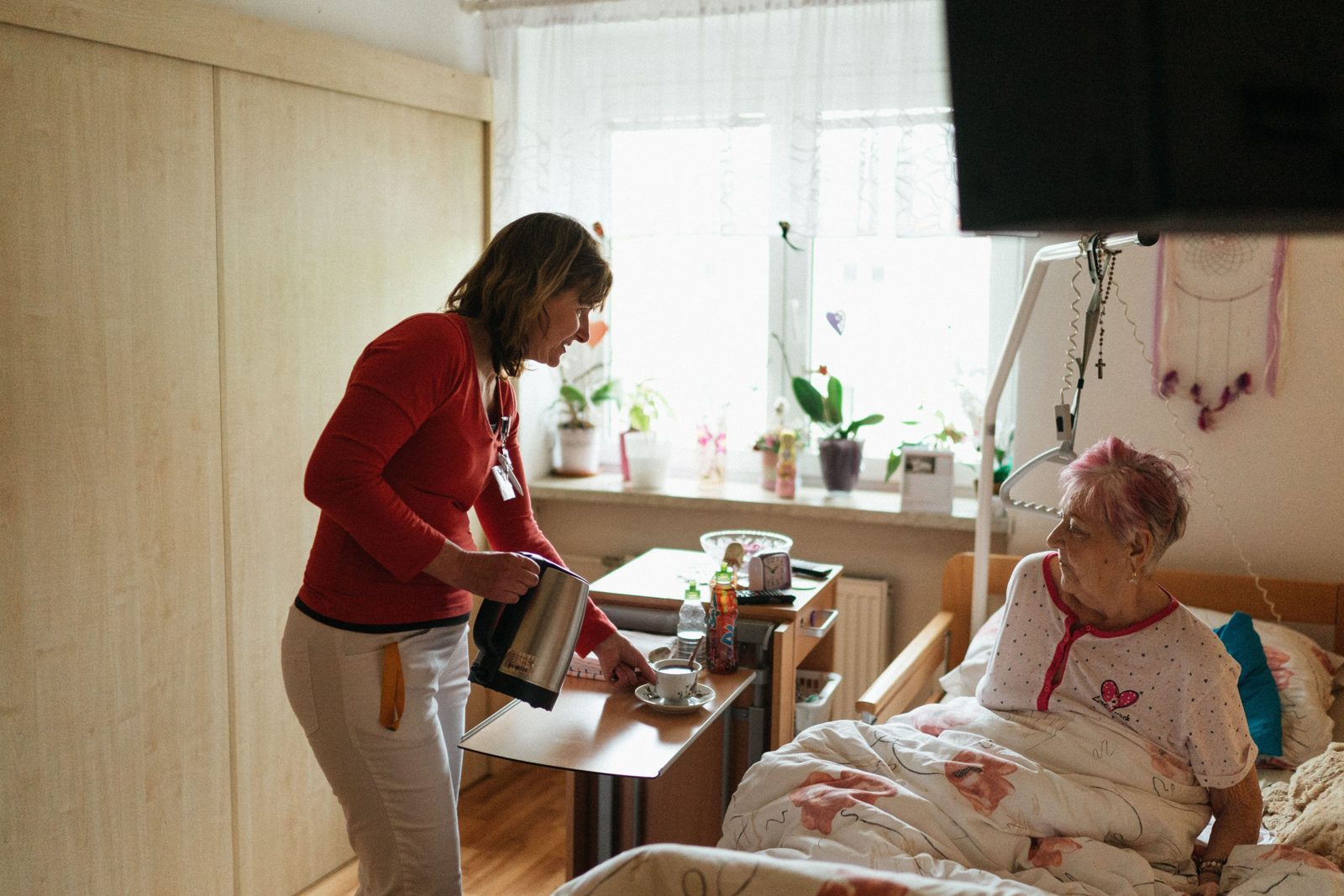
The call comes, you rush to the hospital, and then — sometimes faster than expected — your parent is cleared to go home. It's good news, of course. But for many families across the GTA and York Region, that discharge moment is when the real work begins.
The days and weeks following a hospital stay are among the most vulnerable in an older adult's life. Fatigue sets in, routines are disrupted, medications may have changed, and the confidence that comes from simply moving around the house can take time to return. Being prepared — and knowing what kind of support actually helps — makes an enormous difference.
Why the First Few Weeks at Home Are So Critical
Healthcare professionals sometimes refer to the period right after a hospital discharge as a high-risk window. Older adults who live alone or who have limited daily support are more susceptible to setbacks during this time, including falls, missed medications, poor nutrition, and the kind of low-level loneliness that quietly slows recovery.
This isn't meant to alarm — it's simply worth understanding so your family can plan thoughtfully rather than reactively. A little preparation before your parent comes home goes a long way.
Before Discharge: Questions Worth Asking the Care Team
If you're able to be present for the discharge conversation, or can connect with the hospital's social worker or discharge planner, try to get clear answers on the following:
- What activities should be limited? Stairs, cooking, driving, lifting — know what's off the table and for how long.
- What are the medication changes? Ask for a written list and confirm whether any old prescriptions should be stopped.
- What warning signs require urgent attention? Know what to watch for and who to call.
- Is home-care support recommended? In Ontario, a CCAC (now Home and Community Care Support Services) referral may be initiated by the hospital for nursing or physiotherapy visits — ask if this applies.
- When is the follow-up appointment? And does your parent need help getting there?
Getting this information in writing, if possible, helps everyone — including any caregiver coming into the home — stay on the same page.
Setting Up the Home Before Your Parent Arrives
A few simple adjustments can reduce fall risk and make daily life considerably easier during recovery:
- Clear pathways of loose rugs, cords, or clutter, especially between the bedroom and bathroom.
- Move commonly used items — dishes, toiletries, medications — to easy-reach heights.
- Ensure good lighting, particularly in hallways and stairwells.
- Consider a temporary bed on the main floor if stairs are a concern.
- Stock the fridge with easy-to-prepare, nutritious foods your parent actually enjoys.
- Have a charged phone or medical alert device within reach at all times.
If your parent uses a walker or cane, make sure it has made the journey home with them and is easily accessible.
The Role of Day-to-Day Companionship in Recovery
Medical needs during recovery are often handled by nurses, physiotherapists, or family members. But there's another layer of support that is just as important and far easier to overlook: the everyday human presence that keeps a person engaged, motivated, and safe between clinical visits.
This is where companion care can be genuinely transformative. A consistent caregiver who visits regularly can:
- Prepare nourishing meals and encourage your parent to actually eat them.
- Provide gentle medication reminders so nothing is missed or doubled up.
- Accompany your parent on short walks as mobility improves.
- Handle light housekeeping so the home stays safe and manageable.
- Run errands — picking up prescriptions, groceries, or library books.
- Simply be present, which matters more than we sometimes give it credit for.
For adult children who live at a distance or who are balancing work and their own families, a trusted in-home companion also provides something invaluable: regular, firsthand updates on how your parent is truly doing.
When Family Support Alone Isn't Quite Enough
Many families start out planning to cover everything themselves — and many do, for a while. But post-hospital recovery can stretch on longer than anticipated, and caregiver fatigue is real. If you find yourself running on empty, or if your parent's needs are simply greater than one or two family visits per week can meet, that's not a failure. It's a signal that a little structured support could benefit everyone.
The goal isn't to hand off responsibility — it's to build a reliable circle of care around your parent so that their recovery is as comfortable and as safe as possible.
A Word on Planning Ahead
If a hospital stay has prompted your family to think about longer-term support for your parent, you're not alone. For many Ontario families, it becomes the turning point where arranging regular in-home care stops feeling optional and starts feeling necessary.
Hearthlane is an in-home companion-care service launching across the GTA and York Region in 2026, built around the idea that your parent deserves the same familiar face each week — not a rotating roster of strangers. If you're beginning to explore your options, joining our waitlist is a low-commitment way to stay informed and be among the first families we're able to support when we open our doors.
Recovery at home is so much more than a medical process. It's about restoring comfort, confidence, and connection — one day at a time.