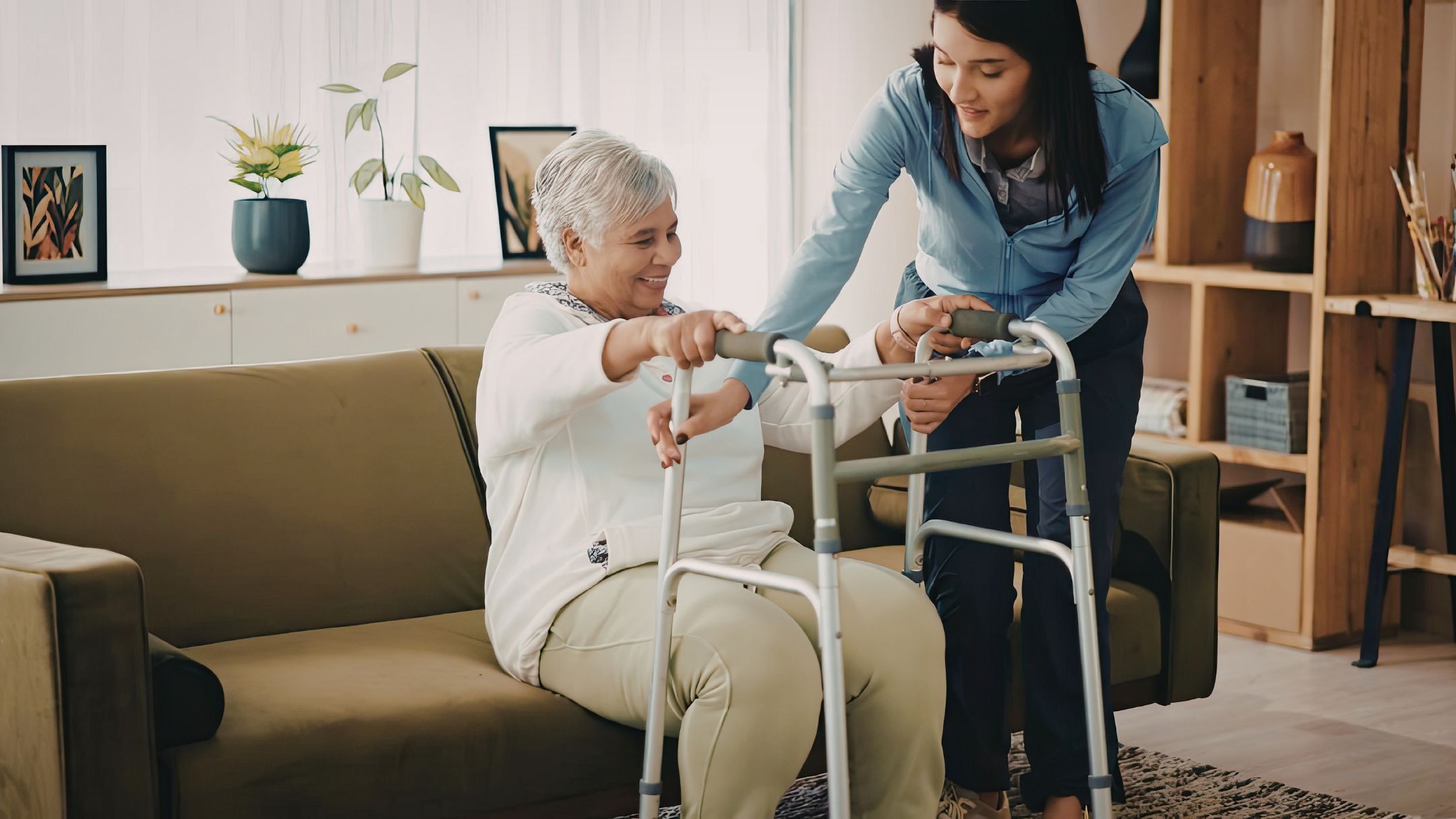
Ask almost any older adult what they want most, and you'll hear some version of the same answer: I just want to stay in my own home. It's not stubbornness — it's a deeply human desire to remain in familiar surroundings, to keep a sense of routine, and to hold onto the life they've built. For adult children, that wish can feel like a weight. How do you honour your parent's independence while making sure they're genuinely safe and well?
The good news is that staying independent longer is very achievable for most older adults — with the right combination of small adjustments, honest conversation, and the occasional helping hand. Here's a practical framework for families navigating that balance.
Understand What "Independence" Actually Means to Your Parent
Before making any changes, it's worth asking your parent a direct question: What does staying independent look like to you? The answer might surprise you. For some people, independence means cooking their own meals. For others, it means deciding how they spend their afternoons, or being able to walk to the end of the street without help. Knowing what matters most helps you focus energy in the right places — and avoid unintentionally stepping on boundaries that feel very important to them.
Independence isn't all-or-nothing. Accepting help with grocery shopping doesn't mean giving up control of a life. Framing support that way — as freeing up energy for what your parent values most — tends to land much better than framing it as a safety net they've been forced to need.
Look at the Home With Fresh Eyes
The physical environment plays an enormous role in how safely and comfortably an older adult can manage on their own. A few targeted adjustments can make a significant difference:
- Lighting: Bright, consistent lighting throughout the home — especially in hallways, stairwells, and bathrooms — reduces the risk of trips and falls. Motion-activated nightlights are a simple, affordable upgrade.
- Bathroom safety: Grab bars near the toilet and inside the shower or tub are among the highest-impact changes a family can make. A shower chair and a handheld showerhead add comfort and confidence.
- Clutter and rugs: Loose mats and cluttered pathways are common fall hazards. Removing them — diplomatically — can prevent serious injuries.
- Frequently used items: Ensure the things your parent reaches for most often are stored between hip and shoulder height, reducing the need to stretch or crouch.
- Entryway accessibility: A sturdy railing, a no-step or low-step entry, and good exterior lighting all make coming and going safer in every season.
If you're not sure where to start, an occupational therapist can complete a formal home assessment and recommend specific modifications. Some Ontario programs offer funding assistance for these changes — worth looking into through your local community health centre or your parent's family physician.
Keep Routines Strong and Predictable
Routines are underrated. A consistent daily rhythm — regular meals, regular sleep, regular activity — provides structure that supports both physical health and mental wellbeing. When routines erode, the downstream effects can be significant: nutrition suffers, medications get missed, and social engagement drops off.
If your parent lives alone, it's worth thinking through who helps anchor those routines. A weekly visit from a companion caregiver can do more than many families expect — not just providing company, but showing up reliably at the same time each week, making sure a proper meal gets prepared, and giving the day a reassuring shape. That predictability matters more than it might seem.
Stay Ahead of Social Isolation
Isolation is one of the quieter threats to independence. When older adults become socially withdrawn — whether due to mobility changes, the loss of a spouse or friend, or simply the natural shrinking of a social world — the effects on physical and cognitive health are real and well-documented.
Think concretely about who your parent talks to and sees on a regular basis. Are those connections still happening? If not, what's getting in the way? Sometimes the barrier is transportation. Sometimes it's that old social circles have changed. Sometimes it's low mood or low energy.
Regular, reliable companionship — whether from family, friends, a neighbour, or a dedicated caregiver — provides meaningful social contact that supports mood, sharpens the mind, and gives your parent something to look forward to each week.
Build a Simple Communication Loop
One of the most stressful parts of supporting an aging parent from a distance is the uncertainty. You don't always know how they're really doing day-to-day. Building a light, reliable communication loop helps — both for your peace of mind and as a way of catching small changes before they become bigger concerns.
This might look like a scheduled daily check-in call, a group family chat that includes your parent, or updates from whoever is visiting regularly. At Hearthlane, family updates are a built-in part of what companion caregivers do — so that adult children aren't left guessing between visits. It's a small thing that makes a real difference to families managing busy lives.
Know When to Add Support — Before a Crisis Forces Your Hand
One of the most important things families can do to protect a parent's independence is act early. It sounds counterintuitive, but adding modest support proactively — before a fall, a hospital stay, or a health scare — keeps your parent in the driver's seat. They get to choose how help enters their life, rather than having it imposed in a moment of crisis.
Starting with something low-key, like a few hours of companion care each week, lets your parent get comfortable with having support in the home gradually. Trust builds over time. And when more help is eventually needed, the foundation is already there.
If you're thinking ahead to what that support might look like for your family, Hearthlane will be launching companion care services across the GTA and York Region in 2026. You're welcome to join our waitlist now — there's no commitment, and it means you'll be among the first families we reach out to when we open for bookings.
Independence Is a Team Effort
Helping a parent stay independent at home isn't about doing everything for them — it's about removing the obstacles that would otherwise force a bigger change before your parent is ready. A safer home, a steadier routine, consistent companionship, and an honest ongoing conversation about needs: these are the building blocks. None of them require dramatic action, but together they can make a meaningful difference in how long and how well your parent is able to live life on their own terms.
That's a goal worth working toward — together.