If you've noticed your parent spending more hours in front of the television, losing interest in hobbies they once loved, or struggling to recall details they would have remembered easily a year ago, you're not imagining things — and you're not alone. Cognitive slowing is a normal part of aging, but that doesn't mean families are powerless. Far from it.
The good news is that a mentally stimulating daily life is one of the most protective things an older adult can have. And the best news? It doesn't require expensive programmes or a complete lifestyle overhaul. It requires consistency, variety, and — perhaps most importantly — someone to engage with.
Why Mental Activity Matters More After 70
The brain responds to use. Research consistently shows that older adults who remain socially connected, mentally challenged, and purposefully occupied tend to maintain sharper cognitive function longer than those who are isolated or under-stimulated. This isn't about preventing every difficult diagnosis — no single habit can guarantee that — but about giving the brain the best possible environment to stay healthy.
For many older adults living alone in the GTA and York Region, the challenge isn't desire. It's opportunity. A parent who once stayed sharp through a busy work life, an active social circle, or grandchildren underfoot can find themselves with far fewer of those natural stimulants as the years pass. That gap matters.
Practical Ways to Keep an Aging Parent Mentally Engaged
1. Prioritise Conversation Over Passive Entertainment
Television is easy, but it's largely passive. Meaningful conversation — debating the news, reminiscing about family history, working through a crossword together — activates the brain in a way that watching a programme simply doesn't. If your parent lives alone, the number of real conversations they have in a week may be surprisingly low. That's worth paying attention to.
2. Reintroduce an Old Hobby (or Try Something New)
Many older adults quietly let hobbies drop — not because they've lost interest, but because arthritis makes a paint brush harder to hold, or because they don't want to bother anyone for a drive to the garden centre. A little practical support can reopen doors that seemed closed. Consider:
- Setting up a card or board game they used to enjoy
- Picking up library books or audiobooks on topics they love
- Bringing supplies for a craft, baking project, or letter-writing session
- Helping them reconnect with a community group, religious community, or local seniors' centre
3. Keep a Predictable Routine — With Built-In Variety
Routine and novelty might sound like opposites, but for aging brains they actually work together. A predictable daily structure reduces anxiety and cognitive load, while small novelties within that structure — a new recipe, a different walking route, a video call with a grandchild — keep the brain curious and alert. Think of it as a reliable framework with interesting things inside it.
4. Encourage Physical Movement
Physical and cognitive health are deeply linked. Even gentle, regular movement — a short walk around the block, some light stretching, or chair-based exercises — increases blood flow to the brain and has been shown to support memory and mood. If your parent has mobility concerns, speak with their family doctor about what level of activity is appropriate for them specifically.
5. Support Social Connection Deliberately
This one deserves its own heading because it's so often underestimated. Loneliness isn't just emotionally painful — it's cognitively costly. Older adults who lack regular social interaction tend to show faster cognitive decline than those who stay connected. Helping your parent maintain friendships, build new ones, or simply have regular, genuine human contact can be one of the most protective things you do for them.
The Role a Companion Caregiver Can Play
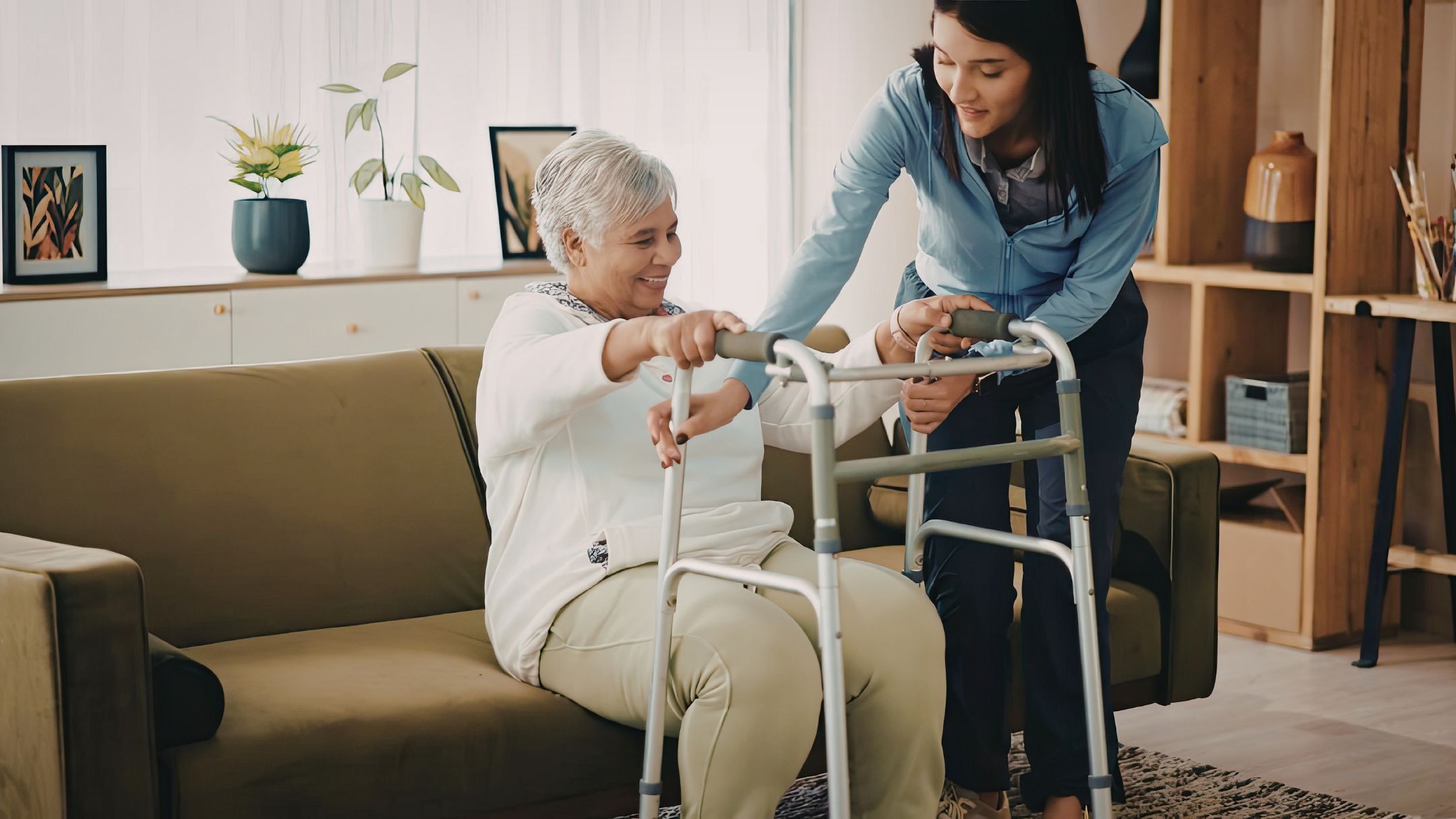
For families who can't be there every day — and most of us can't — a consistent companion caregiver can quietly become one of the most mentally stimulating parts of an aging parent's week. Not because they arrive with a curriculum or a clinical plan, but because they show up as a real human presence: someone to chat with, someone who notices when your parent seems off, someone who helps make a new recipe or suggests a walk to a nearby park.
The consistency piece matters enormously here. When the same caregiver visits week after week, your parent isn't spending energy figuring out who this new person is — they're spending it on the conversation, the activity, the enjoyment of the visit. That trust and familiarity creates space for genuine engagement rather than polite tolerance.
At Hearthlane, our companion caregivers provide exactly this kind of regular, relationship-based support — the same friendly face each week, noticing the small changes and keeping family members informed. If you're thinking about what that kind of consistency could mean for your parent, we'd love to hear from you. Join our waitlist to learn more as we launch across the GTA and York Region in 2026.
A Word About When to Speak With a Professional
If you're noticing significant changes in your parent's memory, mood, or ability to manage daily tasks, it's worth raising those observations with their family doctor. Cognitive changes exist on a wide spectrum, and a GP can help determine whether what you're seeing is typical age-related slowing or something that warrants further assessment. Earlier conversations tend to open up more options — so don't wait until things feel urgent.
Small Investments, Meaningful Returns
Helping a parent stay mentally active doesn't have to be complicated or expensive. It mostly requires intention: noticing when their days have become too quiet, and gently introducing more connection, stimulation, and purpose back into them. Sometimes that's a weekly phone call with more questions and fewer updates. Sometimes it's arranging for someone warm and reliable to show up at the door on Tuesday mornings.
Either way, you're doing something that matters — and your parent's brain, whether or not they say so, will thank you for it.