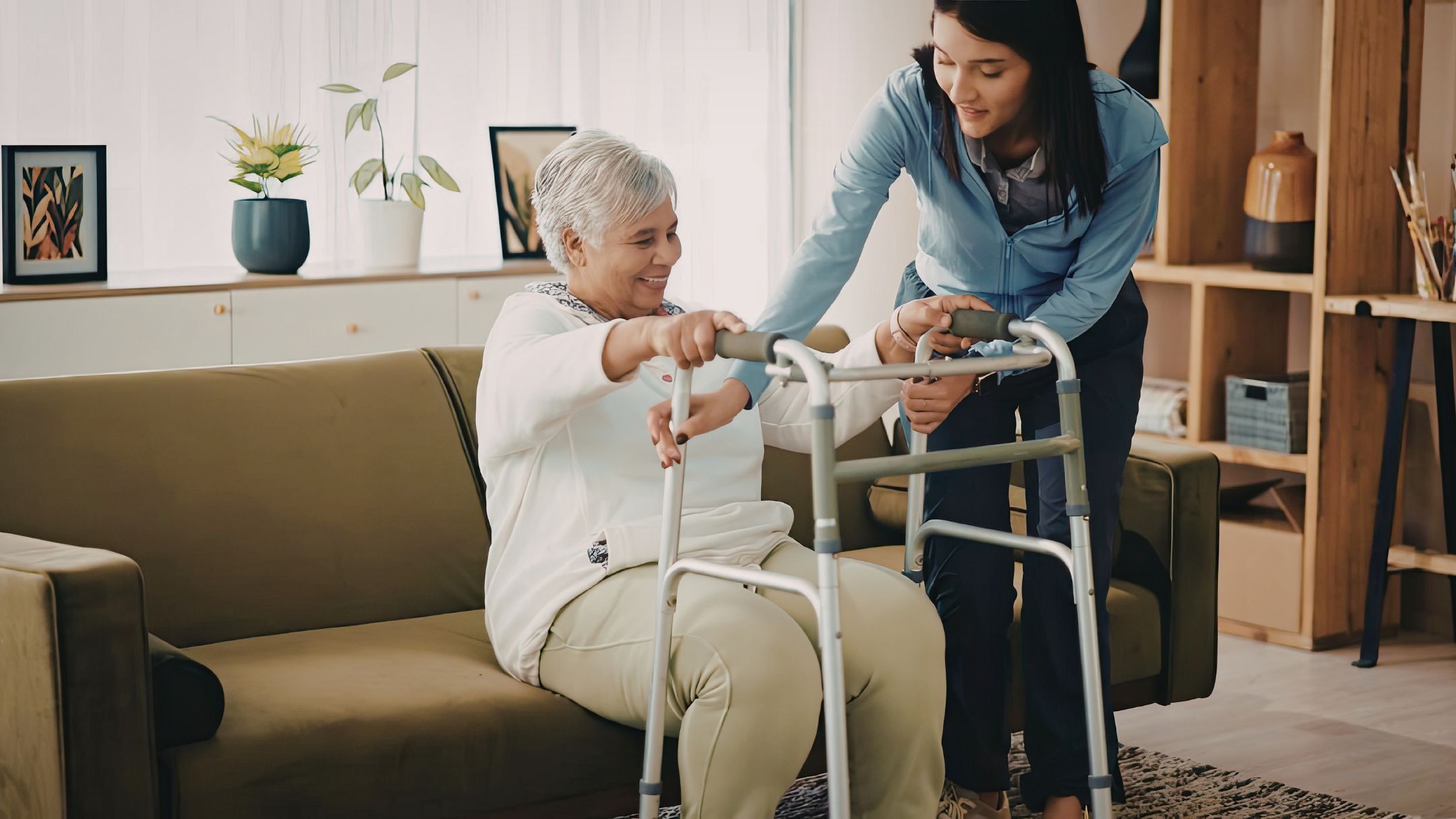
When families begin researching care options for an aging parent, the conversation usually centres on practical concerns: safety, meals, mobility, medication. These things matter enormously. But there is something else at stake — something quieter and harder to name — that often gets overlooked in the logistics of arranging care.
It is your parent's sense of who they are.
For most older adults, home is not simply a building. It is the place where their identity lives — in the chair they have sat in for thirty years, the photos arranged on the sideboard, the mug they use every morning without thinking about it. Staying home as they age is not only a preference for comfort and familiarity. It is, in a very real way, a way of remaining themselves.
Why Identity Matters in Elder Care
Researchers who study aging have long understood that a sense of identity — feeling like a continuous, recognisable person with a past, a present, and a role in the world — is closely tied to mental and emotional wellbeing in older adults. When that sense of self feels threatened or diminished, the effects can look a lot like depression, withdrawal, or a loss of motivation.
Transitions that disrupt identity — moving to a new setting, losing the ability to drive, stepping back from roles they held for decades — can quietly shake a parent's confidence and sense of purpose, even when their physical health is stable. Families sometimes notice a parent becoming less engaged or more subdued after a major change, and wonder what happened. Often, what shifted was not just the circumstances but the story the parent tells themselves about who they are.
What the Home Protects That Other Settings Cannot
When a parent continues to live at home — surrounded by their own belongings, following their own rhythms, making their own choices about small daily things — several important aspects of identity stay intact.
- Autonomy. Deciding when to have breakfast, which chair to read in, whether to nap after lunch — these small decisions signal to a person that they are still in charge of their own life. That feeling of agency is quietly powerful.
- Continuity. The home holds a lifetime of accumulated meaning. Objects, spaces, and routines connect the present self to every earlier version of the person who has lived there. That continuity is stabilising, especially when other things are changing.
- Roles and relationships. At home, a parent can still be the host who puts the kettle on, the grandparent whose kitchen smells like something wonderful, the neighbour who waves from the porch. These roles — however modest they may seem — are part of who they are.
- Privacy and dignity. Home allows older adults to manage how they are seen and what help they accept, on their own terms. That control over one's own presentation matters deeply to self-respect.
How Companion Care Quietly Supports Identity
This is one of the reasons consistent, relationship-based companion care can do so much more than the task list suggests. A caregiver who arrives each week and genuinely knows your parent — their sense of humour, their preferences, the stories they like to tell, the things they are proud of — is not just helping with errands and meals. They are bearing witness to who your parent is.
That matters. Being known and recognised by another person is one of the ways we all confirm our own sense of self. For an older adult who may be spending more hours alone than they once did, having someone who shows up consistently, listens, and engages with them as a full person — not as a list of needs — can be genuinely restorative.
Practically speaking, this kind of support looks like a caregiver who asks about the photos on the wall and actually remembers the answers next time. It looks like preparing a meal the way your parent likes it, not the way is most convenient. It looks like taking a walk to a neighbourhood your parent has walked in for decades, or spending an unhurried hour on a hobby they thought they had left behind.
What Families Can Do to Protect a Parent's Sense of Self
Whether or not professional care is part of the picture yet, there are things adult children can do to actively support a parent's identity as they age.
- Ask about their past, not just their present. Conversations that invite a parent to share memories, opinions, and stories reinforce the continuity of who they are.
- Resist the urge to over-help. Doing things for a parent that they can still manage — even slowly or imperfectly — can chip away at their sense of capability. Offer support alongside them, not instead of them.
- Keep meaningful objects and spaces intact. When preparing a home for additional help, try to preserve the arrangements and belongings that hold personal significance, even if a tidy reorganisation seems tempting.
- Involve your parent in decisions. Even when the practicalities of care are being arranged by family members, including your parent in the conversation — and genuinely honouring their preferences — reinforces their role as the author of their own life.
A Note on Timing
One of the most meaningful things about arranging care while a parent is still well and settled is that the caregiver relationship can be built gradually, on your parent's terms. Trust develops over weeks and months of consistent visits, and the caregiver comes to understand your parent as a person — not just as someone who needs help. That foundation makes everything else easier, and it begins from a position of strength rather than crisis.
If you are beginning to think about what support might look like for your family, Hearthlane's waitlist is a good first step. There is no pressure and no commitment — just a way to start the conversation at your own pace, so that when the time feels right, you are ready.
Your parent is more than their age or their health status. The right care — in the right place — helps them stay that way.