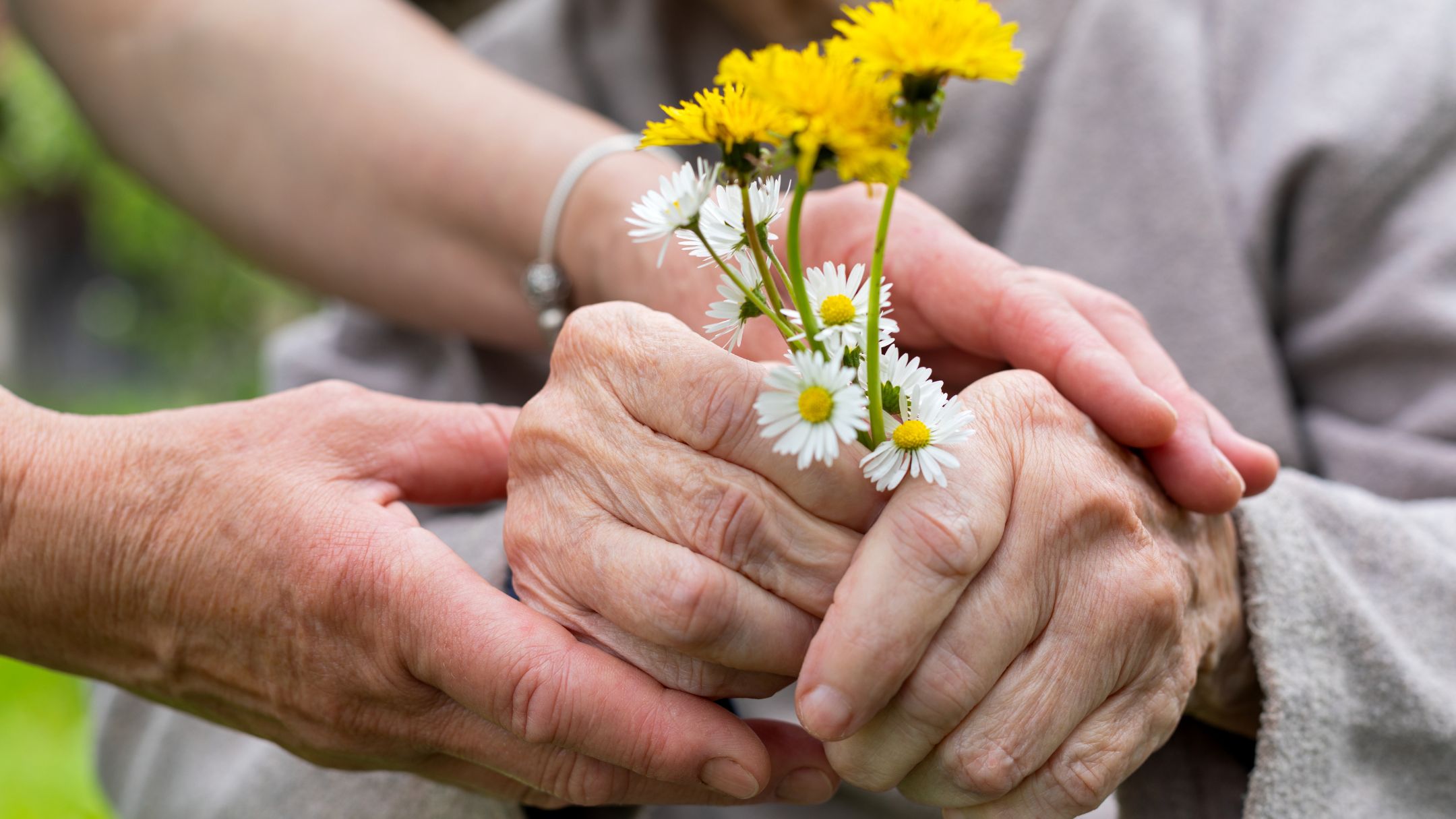
When a parent starts needing more support at home, the family conversation tends to centre on the adults: who can drive to appointments, who can check in on weekdays, who can coordinate the bigger picture. It makes sense. But somewhere in that conversation, the grandchildren — whether they're teenagers, university students, or adults with their own families — often get overlooked entirely.
That's a missed opportunity. Grandchildren can play a genuinely meaningful role in supporting an aging grandparent, and doing so often benefits both generations more than families expect. This isn't about putting pressure on young people or replacing proper care. It's about recognising that the relationships already in the room have real value — and thinking intentionally about how to draw on them.
Why Grandchildren Matter in the Care Picture
Older adults who have regular, warm contact with younger generations tend to feel more purposeful and less isolated. For grandchildren, time spent with an aging grandparent — particularly during a vulnerable period — can shape empathy, perspective, and a deeper sense of family history that simply can't be found anywhere else.
There's also a practical reality: adult children arranging care for a parent are often stretched thin between work, their own children, and the logistics of coordinating help. Grandchildren can meaningfully lighten that load in ways that suit their age and availability, without anyone needing to become a full-time caregiver.
Matching Involvement to Age and Ability
The key is being thoughtful about what you ask, and of whom. There's no single template — what works for a seventeen-year-old is different from what works for a twenty-five-year-old or a thirty-five-year-old with young kids of their own.
Younger grandchildren (under 14)
Younger kids bring energy, novelty, and genuine delight — all of which are quietly therapeutic for an older adult who may be spending a lot of time alone. Even a brief visit changes the texture of a grandparent's week. Drawing together, watching a favourite show, playing a simple card game, or just chattering about school gives a grandparent something to look forward to and talk about. These visits should feel like fun, not obligation, so keep them light and pressure-free.
Teenagers
Teens are often more capable than families give them credit for. A grandchild who is fifteen or sixteen can help with practical tasks — picking up a few groceries, helping to organise photos, setting up a tablet or phone, or simply sitting down for a proper conversation. Many teenagers, given the chance, find they genuinely enjoy one-on-one time with a grandparent in a way that gets lost in the noise of family gatherings. If you can, let them find their own rhythm with it rather than scripting the visit too tightly.
Young adults and adult grandchildren
This group can take on more substantive involvement: accompanying a grandparent to an appointment, cooking a meal together, helping sort through paperwork, or being a regular phone or video-call companion for a grandparent who isn't seeing many people during the week. Adult grandchildren living nearby are sometimes willing to step in for occasional check-ins — especially if they understand how much it matters and aren't expected to manage the full care picture.
A Few Things to Keep in Mind
- Talk openly with grandchildren before involving them. Older teens and adults especially deserve an honest, age-appropriate conversation about what's going on with their grandparent's health and what kind of support would actually help. Springing visits on people rarely goes as well as asking.
- Don't let it fall to one grandchild. If one grandchild lives closest or has the most flexible schedule, it can be tempting to lean on them heavily. Try to distribute involvement across the family where possible, and make sure no one — including a grandchild — is quietly burning out.
- Grandchildren are not a substitute for consistent professional support. Their involvement works best alongside structured care, not instead of it. If a grandparent needs regular companionship, help with meals, medication reminders, or light housekeeping, that should be arranged separately so that family visits can stay warm and unhurried rather than task-focused.
- Respect the grandparent's dignity. Some older adults feel embarrassed or reluctant about needing help, even from grandchildren they love. Frame involvement as spending time together rather than providing care — because, in the best cases, that's genuinely what it is.
When Professional Companion Care Fits Alongside Family Involvement
One thing families often tell us is that once consistent professional support is in place, the family visits — including grandchildren's visits — actually become more enjoyable. When a trusted caregiver is already handling the routine tasks and check-ins each week, family time stops feeling like an assessment or a to-do list and starts feeling like a visit again.
That shift matters. A grandchild who stops by on a Saturday afternoon to watch a film and share a meal with their grandparent is giving something irreplaceable. They shouldn't also be worrying about whether the fridge is stocked or whether medications were taken on Tuesday. That's what regular companion care is for.
If you're starting to think about what consistent support might look like for your parent — and how your wider family, including grandchildren, can fit into that picture in a sustainable way — Hearthlane is launching companion-care services across the GTA and York Region in 2026. You're welcome to join our waitlist now to be among the first families we contact when we open for bookings.
The Bigger Picture
Getting the care right for an aging parent is genuinely complex. But within that complexity, there's something simple and good available to most families: the relationships that already exist. Grandchildren who grow up staying connected to an aging grandparent — showing up, listening, sharing ordinary moments — carry that with them for life. And for a grandparent navigating the challenges of growing older, knowing that the younger generation is still interested in them, still curious about their stories, still wants to spend time with them, is more sustaining than most of us appreciate.
It doesn't require a plan. It mostly just requires an invitation.