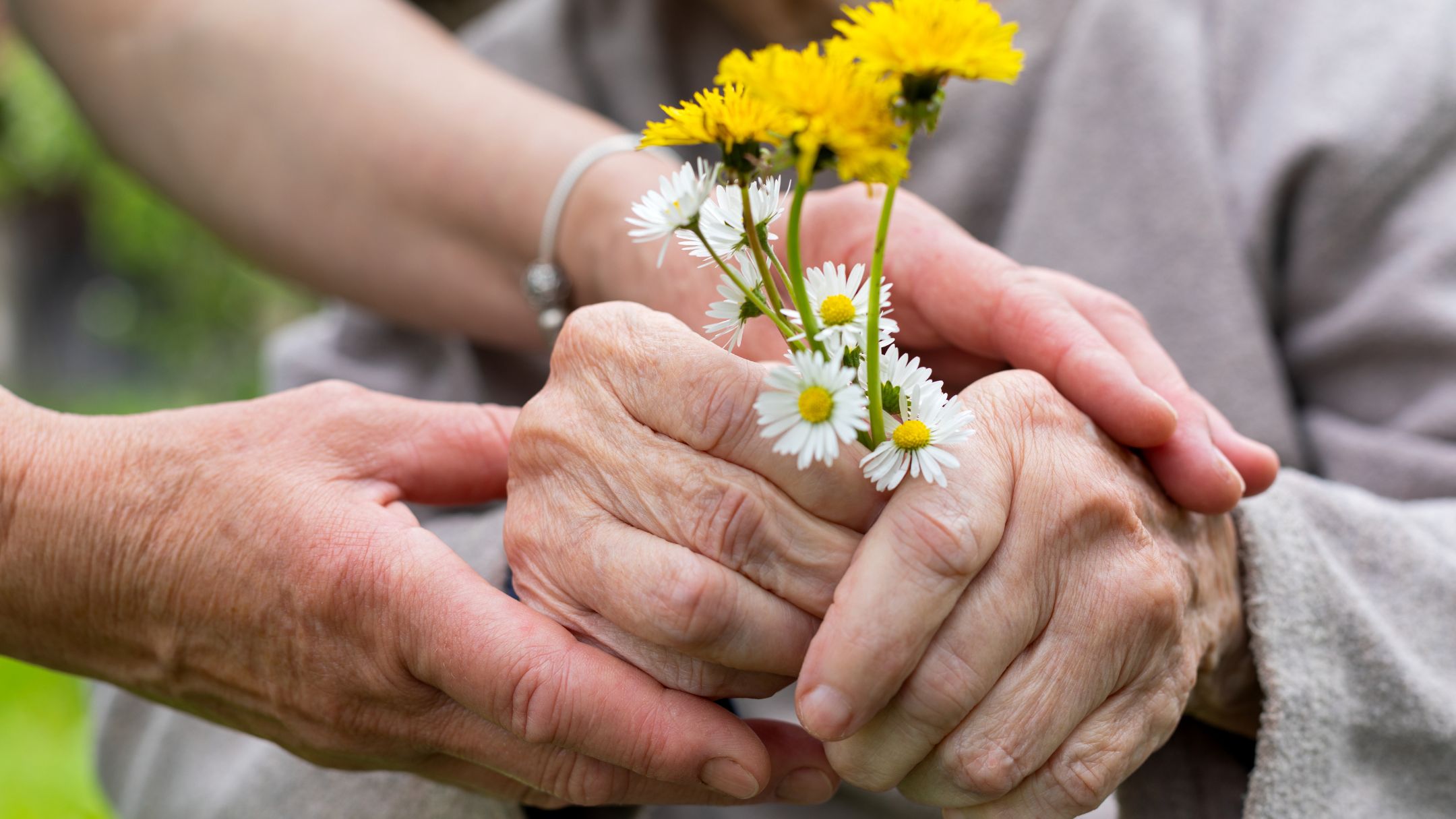
There is something quietly powerful about watching a grandparent's face light up when a grandchild walks through the door — or hearing an older neighbour laugh properly for the first time in weeks because a young volunteer stopped by to chat. These moments are not just heartwarming. Research increasingly suggests that regular, meaningful connection across generations has real, measurable benefits for older adults: better mood, sharper cognition, a stronger sense of purpose, and even improved physical health outcomes.
For families caring for an aging parent in the GTA or York Region, intergenerational connection is one of the most underused — and completely free — tools available. Here is what you need to know about why it matters and how to make more of it happen.
Why Intergenerational Connection Is So Good for Aging Adults
Older adults who maintain regular contact with people of different ages tend to report feeling more engaged with the world around them. When your parent spends time with someone younger — whether that is a grandchild, a neighbour's teenager, or a volunteer from a local university — a few things happen almost automatically.
- They feel needed. Sharing a lifetime of experience, teaching a skill, or simply telling a story gives older adults a sense of purpose that is hard to manufacture any other way.
- They stay mentally stimulated. Younger visitors tend to bring new topics, questions, and energy into the room. Keeping up with a curious grandchild is genuinely good exercise for the brain.
- Their mood lifts. Loneliness and low mood often go hand in hand in older adults. Even a single weekly visit from someone of a different generation can shift the emotional tone of an entire week.
- They stay curious about the present. Younger visitors naturally pull older adults into current conversations — about music, technology, world events, or just day-to-day life — keeping them connected to the world rather than retreating from it.
It Benefits the Younger Generation Too
This is not a one-way relationship. Children and young adults who spend meaningful time with older people develop empathy, patience, and a richer understanding of life's longer arc. Grandchildren who visit regularly often describe their grandparent's home as a place that feels grounding — somewhere the pace slows down and real conversation still happens.
Many Ontario schools and community organisations now run formal intergenerational programmes precisely because the benefits for young participants are well-documented. If your parent is willing and able, connecting them with one of these local initiatives can give the relationship structure and regularity — which matters enormously for older adults.
Practical Ways to Build More Intergenerational Connection
You do not need a formal programme to make this happen. Small, consistent habits often work better than occasional grand gestures.
Involve grandchildren in everyday routines
Rather than saving visits for birthdays and holidays, look for ways to weave grandchildren into the ordinary rhythm of your parent's week. Cooking a simple recipe together, watching a favourite show, working on a puzzle, or tending a balcony plant — these low-key activities create the relaxed conditions in which real conversation happens.
Set up a regular video call with younger family members
If distance or busy schedules make in-person visits difficult, a brief, predictable video call with a grandchild or younger family member each week can become something your parent genuinely looks forward to. Consistency is the key word here: a standing ten-minute call on Tuesday evenings does far more than an occasional hour-long catch-up.
Look into local intergenerational programmes
Many municipalities across the GTA and York Region — including Toronto, Richmond Hill, Markham, and Mississauga — run programmes that connect older adults with students, youth volunteers, or community groups. Public libraries, community centres, and organisations like the Ontario Seniors Secretariat's local partners are good places to start your search.
Encourage your parent to share a skill
Does your parent knit, garden, bake, woodwork, or speak another language? Framing a grandchild's visit as a chance to learn something from them — rather than simply to visit — gives your parent a clear role and a genuine sense of contribution. Many older adults respond far more warmly to being a teacher than to being treated as someone who needs company.
Welcome a caregiver who bridges generations naturally
A consistent companion caregiver — someone who visits at the same time each week, knows your parent's stories, and genuinely enjoys their company — can replicate many of the benefits of intergenerational connection, particularly for older adults who have limited access to younger family. The relationship that builds over weeks and months of regular visits is its own kind of bond.
A Word on Consistency
One theme runs through almost everything that helps aging adults thrive at home: regularity matters more than frequency. A grandchild who visits every other Sunday at two o'clock becomes a fixture in your parent's week — something anticipated, something that gives the days shape. An unpredictable flurry of attention followed by a long gap is harder for an older adult to hold onto emotionally, particularly if memory or mood is already fragile.
The same principle applies to any support you arrange. Whether it is family visits, community programmes, or professional companion care, predictability is kindness.
Starting Small Is Still Starting
If your parent is isolated right now, the idea of building intergenerational connection into their week can feel daunting. It does not need to be complicated. One regular visit, one standing phone call, one shared activity — these small anchors can genuinely change the emotional texture of an older adult's days.
At Hearthlane, we are building a companion-care service rooted in exactly this kind of consistent, human connection — the same caregiver, every week, getting to know your parent properly over time. If you are thinking ahead about support for a parent in the GTA or York Region, we would love to hear from you. You're welcome to join our waitlist and be among the first families we reach when we launch in 2026.
In the meantime, the most important thing you can do today is simple: make the next visit happen, and then make it regular. Your parent's world gets a little larger every time someone shows up.