When we think about what keeps an aging parent healthy and happy at home, we tend to focus on the obvious things: medications, meals, safe flooring, good lighting. What often gets overlooked is something far simpler—getting outside.
Time spent outdoors, even in modest amounts, has a well-documented effect on the wellbeing of older adults. Sunlight, fresh air, a change of scenery, and the gentle stimulation of the natural world can all contribute to better mood, steadier sleep, and a stronger sense of connection to life. For families in the GTA and York Region trying to support an aging parent at home, making outdoor time a regular part of the week is one of the most meaningful—and most underused—tools available.
Why Outdoors Matters More Than We Realise
Many older adults spend the vast majority of their time indoors. This is understandable. Mobility challenges, cold weather, fear of falling, and a simple lack of company can all make going outside feel like more trouble than it's worth. But the cumulative effect of staying in can be significant.
Research consistently links time outdoors to:
- Better mood and reduced anxiety. Natural light helps regulate serotonin levels, and even a short time outside can ease the kind of low-grade restlessness that settles in after too many days indoors.
- Improved sleep. Exposure to daylight—particularly in the morning—helps anchor the body's internal clock, which tends to drift as we age.
- Reduced isolation. A walk to the corner store or a sit on a front porch puts a person back in the world. Even brief, incidental contact with neighbours, dogs, and passersby can reduce the sense of being cut off.
- Gentle physical activity. Walking, even slowly, supports circulation, balance, and muscle tone. Many older adults find it far more appealing than structured exercise.
- Cognitive engagement. The sights, sounds, and smells of the outdoors stimulate the senses in ways that a familiar indoor environment simply cannot.
None of this requires a hiking trail or a sprawling garden. A bench in a local park, a slow lap around the block, or ten minutes on a sheltered porch can offer real benefits.
Common Barriers—and How to Work Around Them
If your parent has been spending most of their time indoors, there's usually a reason. Understanding what's holding them back is the first step.
Mobility and balance concerns
Fear of falling is one of the most common reasons older adults avoid going out. A well-fitted walking aid, supportive footwear, and a companion who walks at their pace can make a real difference. Starting with shorter, predictable routes—ideally with places to rest—helps build confidence gradually.
Weather hesitation
Ontario winters are genuinely challenging, and it's reasonable to be cautious during icy conditions. But spring, summer, and autumn offer plenty of comfortable outdoor time that often goes unused simply from habit. Even in winter, a short outing on a clear, mild day—properly dressed—can be invigorating rather than risky.
Lack of company
Many older adults simply won't go out alone. They may not feel safe, or they may find the prospect of a solitary walk uninviting. Having someone to go with changes everything. A companion who shows up reliably, walks alongside them, and makes the outing feel like an occasion rather than a chore is often all that's needed.
Low motivation or low mood
Depression and low energy can make even pleasant activities feel unappealing. In these cases, gentle encouragement matters more than pressure. Framing an outing around something enjoyable—a favourite coffee shop, a particular garden, feeding ducks at a local pond—gives it a purpose beyond mere exercise.
Simple Ideas That Work Well for Older Adults in the GTA
You don't need to plan anything elaborate. Some of the most effective outdoor habits are the smallest ones:
- A morning coffee on the porch or balcony to catch some early light
- A slow walk around the neighbourhood at a regular time each week
- Visits to a local conservation area, ravine trail, or waterfront—many are well-paved and accessible
- Tending a small container garden on a patio or front step
- A weekly errand that becomes a pleasant outing—a farmers' market, a library visit, a favourite café
- Sitting in a park with a cup of tea and something to watch: birds, children, the general business of life
The York Region and broader GTA are genuinely well-served for this. Many communities have accessible walking paths, peaceful green spaces, and year-round programming at local community centres that can extend the social dimension of getting out.
The Role a Companion Caregiver Can Play
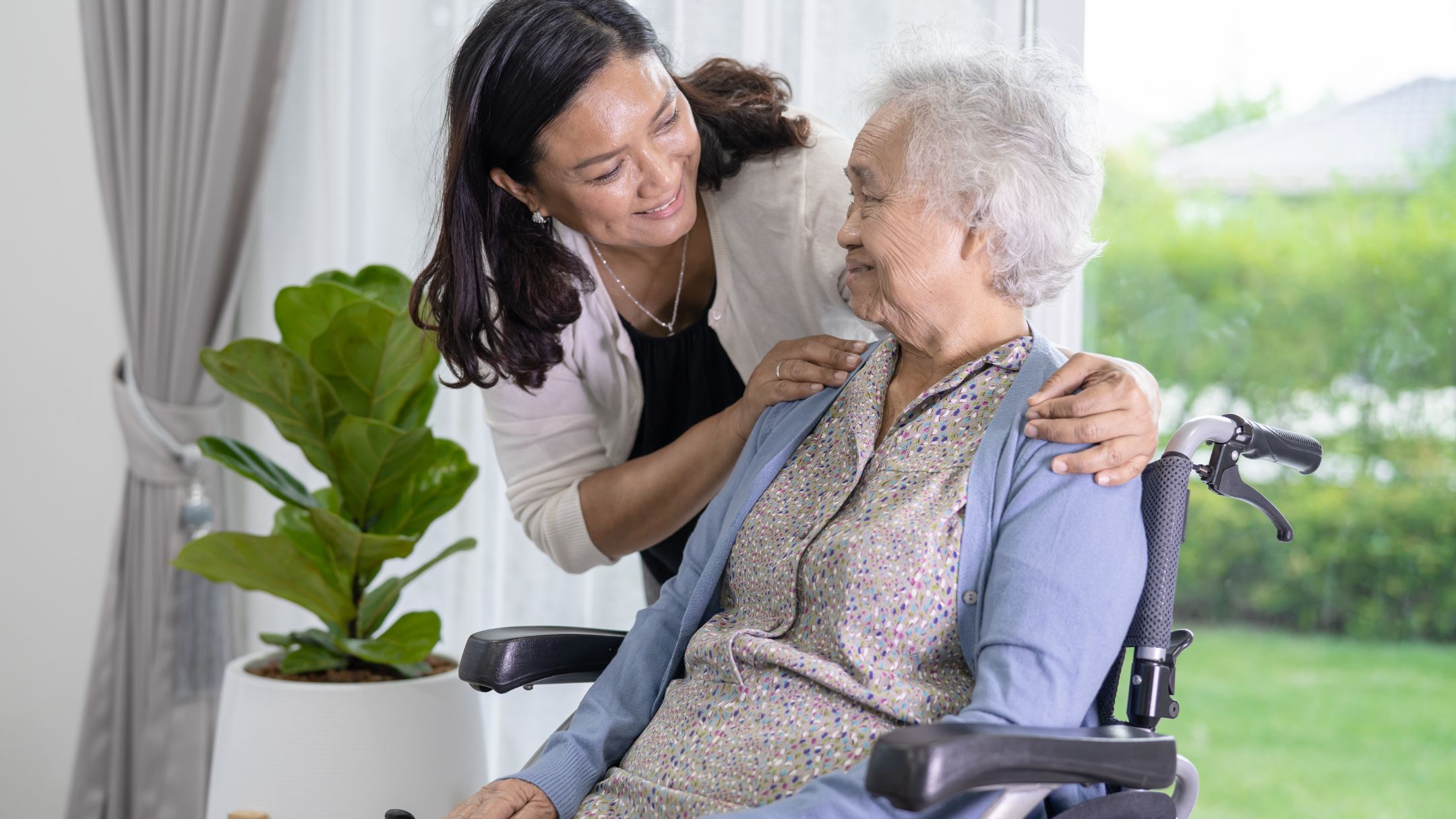
For adult children who live across town—or across the country—arranging outdoor time for an aging parent can feel logistically difficult. This is one of the quiet but important ways a regular companion caregiver can help. Beyond the practical support of accompanying a parent safely on a walk or errand, a consistent weekly visitor brings the social motivation that often makes the difference between staying in and getting out.
When a parent knows someone is coming on Thursday morning to walk with them to the market, Thursday morning becomes something to look forward to. That anticipation matters as much as the walk itself.
At Hearthlane, supporting an aging parent's connection to the world outside their front door is a natural part of what our companion caregivers do. If you're thinking about arranging regular in-home support for a parent in the GTA or York Region, we'd love to hear from you—joining our waitlist is a good first step while we prepare for our 2026 launch.
A Simple Starting Point
If your parent has been spending most of their time indoors, the goal doesn't need to be ambitious. Start with one short outing per week. Pick a time of day when they tend to have the most energy. Choose a route that's familiar and manageable. Go with them when you can, and when you can't, arrange for someone else to.
The outdoors isn't a treatment or a programme. It's just life—the ordinary, grounding, quietly nourishing experience of being in the world. For an aging parent who may be spending too much time within four walls, a little more of it can go a long way.