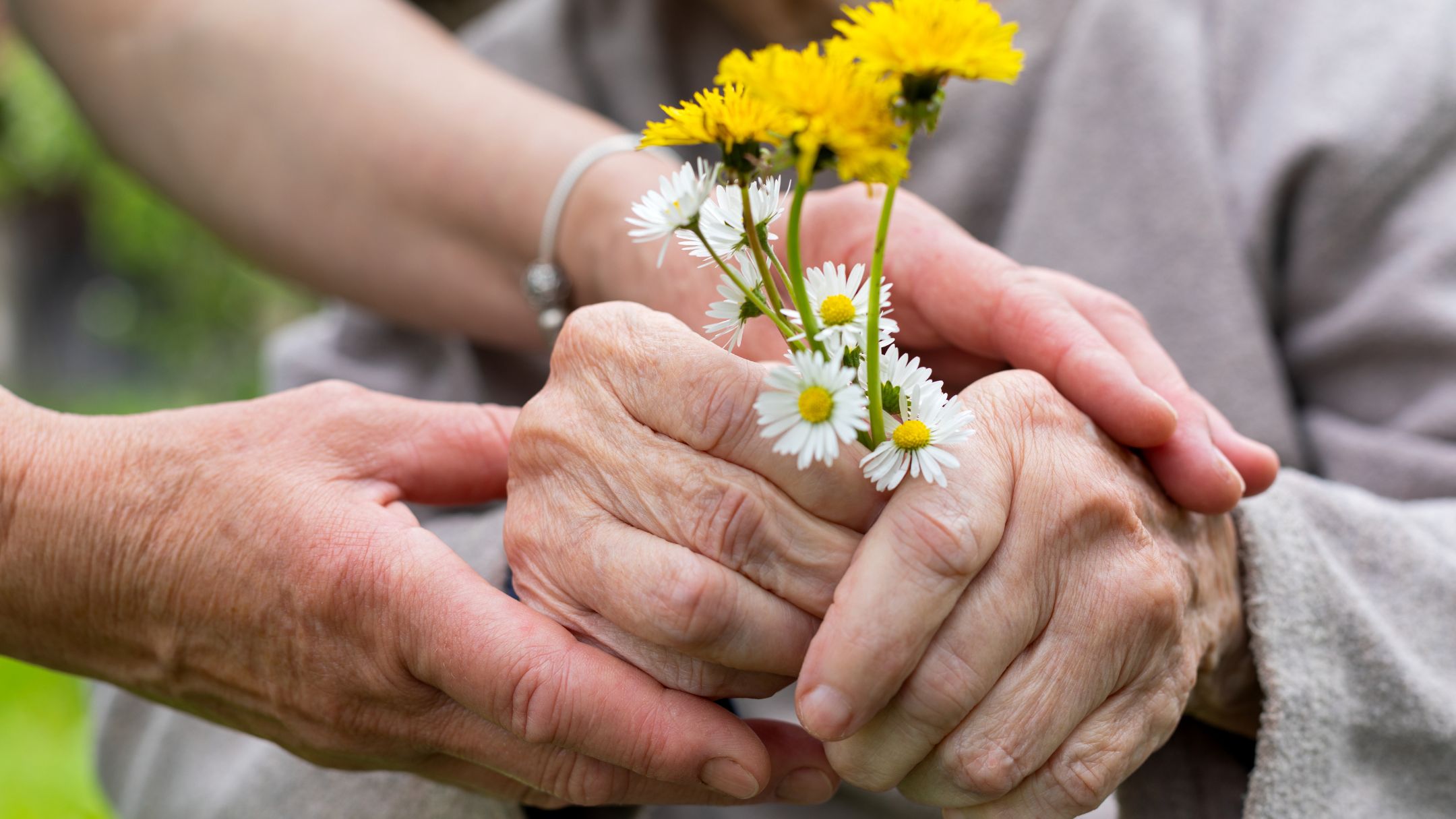
A phone call telling you your parent has had a fall can stop your heart for a moment. Even when the physical injury turns out to be minor, something shifts. You start asking questions you hadn't quite gotten to before: Is Mum safe at home on her own? What does Dad need right now — and what might he need next month? Should something change?
You're not alone in feeling this way. Falls are one of the most common reasons Ontario families begin thinking seriously about extra support for an aging parent. The good news is that a fall doesn't have to mean a move to a care facility or a loss of independence. With the right support in place, many older adults continue to live comfortably — and safely — at home.
Here's a practical guide to help you navigate what comes next.
First: Take the Medical Side Seriously, Even When It Seems Minor
Not every fall results in a visible injury, but that doesn't mean everything is fine. Some fractures — particularly hip fractures — can be subtle at first. Internal bruising, head injuries, and spinal stress are easy to underestimate. If your parent hasn't already been assessed by a doctor, encourage them to go, even if they feel embarrassed or are insisting they're fine.
Follow up with their family physician as well. A fall is often a signal worth investigating — it can point to changes in blood pressure, medication side effects, vision problems, or inner-ear issues that are very treatable once identified.
The Emotional Recovery Is Just as Real
What surprises many families is how much a fall affects a parent's confidence, not just their body. It's very common for older adults to become fearful of moving around after a fall — even after they've physically healed. That fear can lead to less activity, more isolation, and a quicker decline than the fall itself might have caused.
Watch for signs that your parent is:
- Avoiding rooms or areas of the house where the fall happened
- Reluctant to go outside or take their usual walks
- Moving more cautiously than before, or gripping walls and furniture constantly
- Withdrawing from activities or conversations they normally enjoy
- Expressing anxiety about being home alone
Gently acknowledging their fear — without dismissing it or catastrophising — goes a long way. Let them know it makes sense to feel shaken, and that you're going to figure this out together.
A Practical Safety Review of the Home
Once the immediate medical picture is clearer, it's worth walking through your parent's home with fresh eyes. Many fall hazards are easy and inexpensive to address.
Common things to look at:
- Flooring: Loose rugs, slippery hardwood, or cluttered pathways are among the most common culprits. Remove or secure any rugs that shift underfoot.
- Lighting: Dim hallways and unlit staircases are a serious risk, especially for nighttime trips to the bathroom. Motion-activated night lights are a simple fix.
- Bathroom: A grab bar beside the toilet and in the shower makes an enormous difference. Non-slip mats inside and outside the tub are essential.
- Footwear: Socks on slippery floors are a hazard. Encourage your parent to wear non-slip slippers or shoes inside the house.
- Medications: Some medications — or combinations of medications — increase fall risk by affecting balance or blood pressure. Ask the pharmacist to review the full medication list.
An occupational therapist (OT) can conduct a formal home-safety assessment and recommend specific modifications. Your parent's family doctor or a local Community Care Access program can often help with a referral.
When Regular Support Makes a Real Difference
For many families, a fall is the moment when informal support — occasional visits, phone calls, a neighbour checking in — no longer feels like enough. That's a completely reasonable conclusion to reach.
Consistent in-home companion care can fill that gap without requiring your parent to leave a home they love. A regular caregiver can help with:
- Meal preparation, so your parent isn't rushing or carrying heavy pots
- Light housekeeping, reducing clutter and trip hazards as a matter of routine
- Errands and appointment transportation, so they're not navigating icy sidewalks or parking lots alone
- Medication reminders, so nothing is missed or doubled
- Companionship, which is often the most powerful antidote to post-fall anxiety and isolation
Crucially, having the same caregiver each week builds familiarity and trust. Your parent isn't constantly adjusting to a new face, and the caregiver gets to know their habits well enough to notice when something seems off. That kind of continuity matters more than most families expect.
Having the Conversation About Extra Help
If your parent is resistant to the idea of accepting help, try framing it around their goals rather than their limitations. What do they want to keep doing? What would help them feel confident at home again? A companion caregiver isn't there to take over — they're there to make independence last longer.
It also helps to involve your parent in the decision as much as possible: choosing the schedule, meeting a potential caregiver before committing, and knowing they can always give feedback. Feeling in control of the arrangement makes a real difference to how people receive it.
A Natural Next Step for GTA and York Region Families
If you're in the Greater Toronto Area or York Region and you're beginning to think about regular support for a parent, Hearthlane is launching in 2026 to provide exactly this kind of consistent, relationship-centred companion care. We'd love to hear from you early — you're welcome to join our waitlist to be among the first families we reach out to when we open.
A fall is a difficult moment. But it can also be the beginning of a more supported, safer chapter — one where your parent has the help they need to keep living life on their own terms.