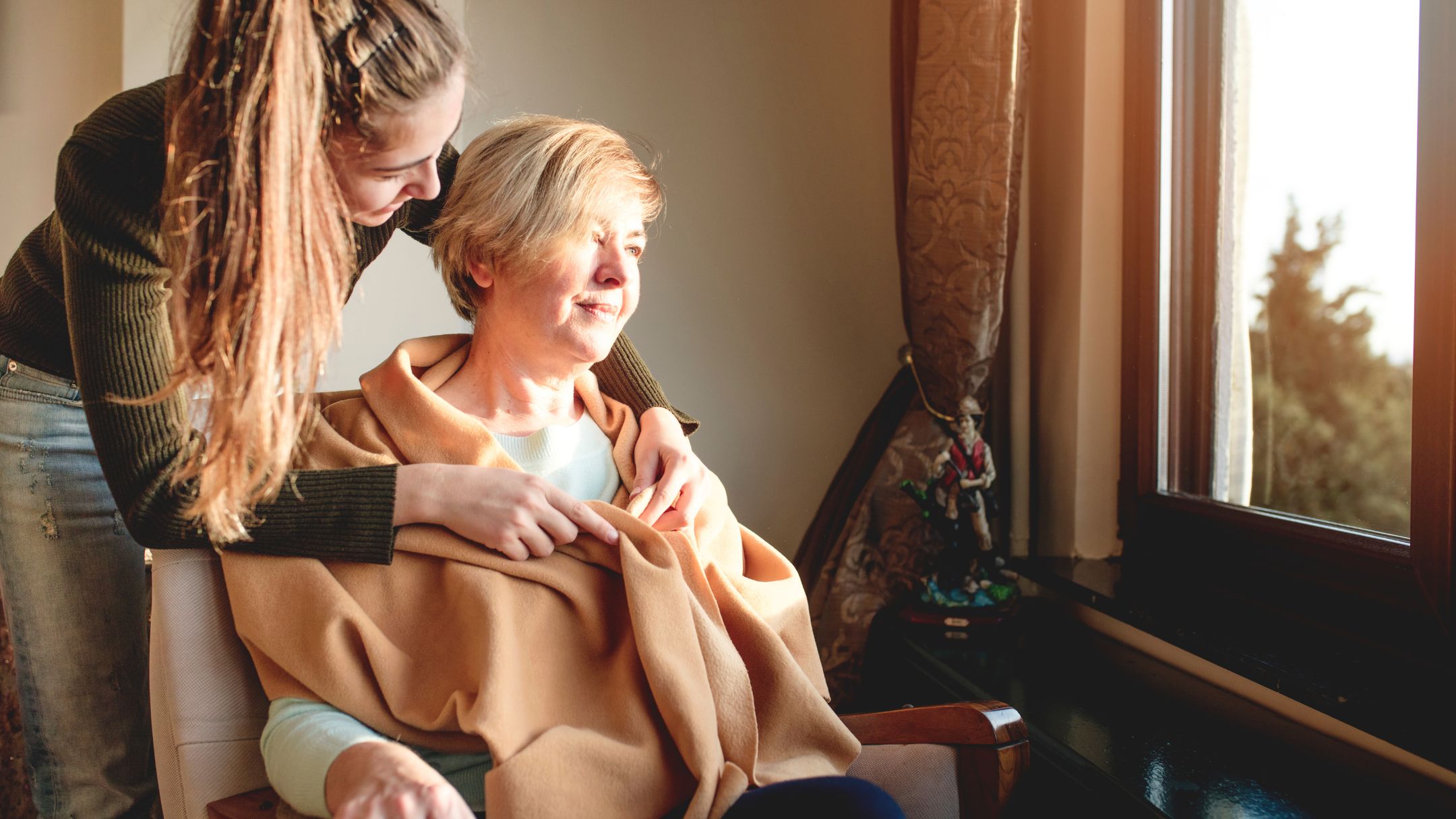
It often starts small. A shirt buttoned unevenly. The same clothes worn several days in a row. A parent who used to be impeccably put-together now avoiding the question, "Did you get dressed today?" For many adult children, changes in how a parent manages their morning routine are one of the earliest — and most telling — signs that daily life is becoming harder to navigate alone.
Getting dressed involves far more than most of us realize. It requires balance, fine motor control, clear thinking, and a reasonable degree of physical strength and flexibility. When any of those start to slip — whether from arthritis, fatigue, early memory changes, or something else entirely — the simple act of choosing and putting on clothing can become genuinely exhausting, even discouraging.
If you've noticed changes in your parent's appearance or morning routine and aren't sure what to do next, this guide is for you.
Why Dressing Becomes Difficult as We Age
There's no single reason an older adult might struggle with getting dressed. More often, it's a combination of factors that gradually compound:
- Joint pain and stiffness: Arthritis or osteoarthritis can make reaching behind the back, fastening buttons, or bending to pull on socks genuinely painful.
- Reduced grip strength: Zippers, clasps, and laces that were once effortless can become frustrating when hand strength declines.
- Balance and mobility changes: Standing on one foot to step into trousers, or bending to pull on shoes, carries real fall risk for someone whose balance is less reliable.
- Fatigue: For parents managing chronic illness, heart conditions, or recovery from a procedure, the energy required for a full morning routine can be more than they have to give.
- Cognitive changes: Early memory loss or cognitive decline can make it hard to sequence steps, choose weather-appropriate clothing, or remember what's already been put on.
- Low mood: Depression and grief — both common among older adults — can quietly erode motivation for personal care, even when the physical ability is still there.
Signs Worth Paying Attention To
Sometimes a parent will tell you directly that getting dressed is hard. More often, they won't — out of pride, a desire not to worry you, or simply because the change has been so gradual they've normalized it. Watch instead for these quieter signals:
- Wearing the same outfit repeatedly without washing it
- Clothing that is inside out, mismatched, or seasonally inappropriate
- Buttons or zippers left undone
- Avoidance of certain clothing items they used to wear regularly (a blouse with small buttons, shoes with laces)
- Still in pyjamas well into the afternoon
- Unexplained bruises that may indicate struggling or falls while dressing
- A parent who seems frustrated, embarrassed, or unusually quiet around the topic
None of these on their own necessarily signal a crisis — but together, or alongside other changes in daily living, they're worth a gentle, caring conversation.
Practical Ways to Make Dressing Easier at Home
Before arranging additional support, it's worth exploring whether some simple adjustments might help your parent manage more independently.
Adapt the wardrobe
Swap fiddly fasteners for magnetic closures, Velcro, or elastic waistbands. Choose loose-fitting, stretchy fabrics that are easier to pull on and off. Slip-on shoes with non-slip soles eliminate the struggle of laces while also supporting fall prevention.
Use adaptive dressing aids
Long-handled shoe horns, button hooks, sock aids, and dressing sticks are inexpensive and widely available. An occupational therapist — accessible through your parent's family doctor — can assess your parent's specific needs and recommend the right tools.
Reorganize the space
A sturdy chair or bed edge to sit on while dressing dramatically reduces fall risk. Keeping frequently worn items at eye level and within easy reach removes unnecessary stretching and searching.
Simplify morning choices
For a parent experiencing cognitive changes, laying out the next day's clothing the evening before — in the order it goes on — can make the morning routine much smoother and less anxiety-producing.
When Adjustments Aren't Enough
Practical adaptations help many older adults maintain independence for longer. But there are times when what a parent really needs is a calm, consistent person to be present during the morning routine — not to take over, but to offer steady encouragement, a steadying hand when needed, or a gentle prompt for what comes next.
This is exactly the kind of support a companion caregiver can provide. A trusted companion who visits regularly — at the same time, with the same familiar face — can help a parent start the day with dignity and confidence rather than frustration and isolation. That consistency matters enormously: mornings tend to go better when they're predictable, and when the person helping is someone your parent has come to know and trust.
Beyond dressing, a morning visit from a companion caregiver might include help with light meal preparation, a medication reminder, a bit of conversation, and a quick update to your family — so you're not left wondering how Mum or Dad's morning went.
A Word About the Conversation
Raising the subject of help with personal care is delicate. For many older adults, needing assistance with something as private as getting dressed can feel like a significant loss of independence. Approach the topic with curiosity rather than concern — ask how their mornings have been going, whether anything feels harder lately. Let them lead as much as possible, and frame any support you suggest as something that gives them more energy for the parts of the day they enjoy most.
If you're looking ahead and thinking about what kind of support might eventually make sense for your family, Hearthlane is a companion-care service launching across the GTA and York Region in 2026. You're welcome to join our waitlist to be among the first to learn more — there's no obligation, and it simply means you'll have information ready when the time feels right.
The Bottom Line
A parent struggling with getting dressed isn't a failure — it's a signal worth listening to. With the right combination of small adaptations, the right tools, and the right support, most older adults can continue to start each day with a sense of normalcy and self-respect. Your job as a family member isn't to have all the answers immediately; it's simply to pay attention, stay curious, and take things one step at a time.