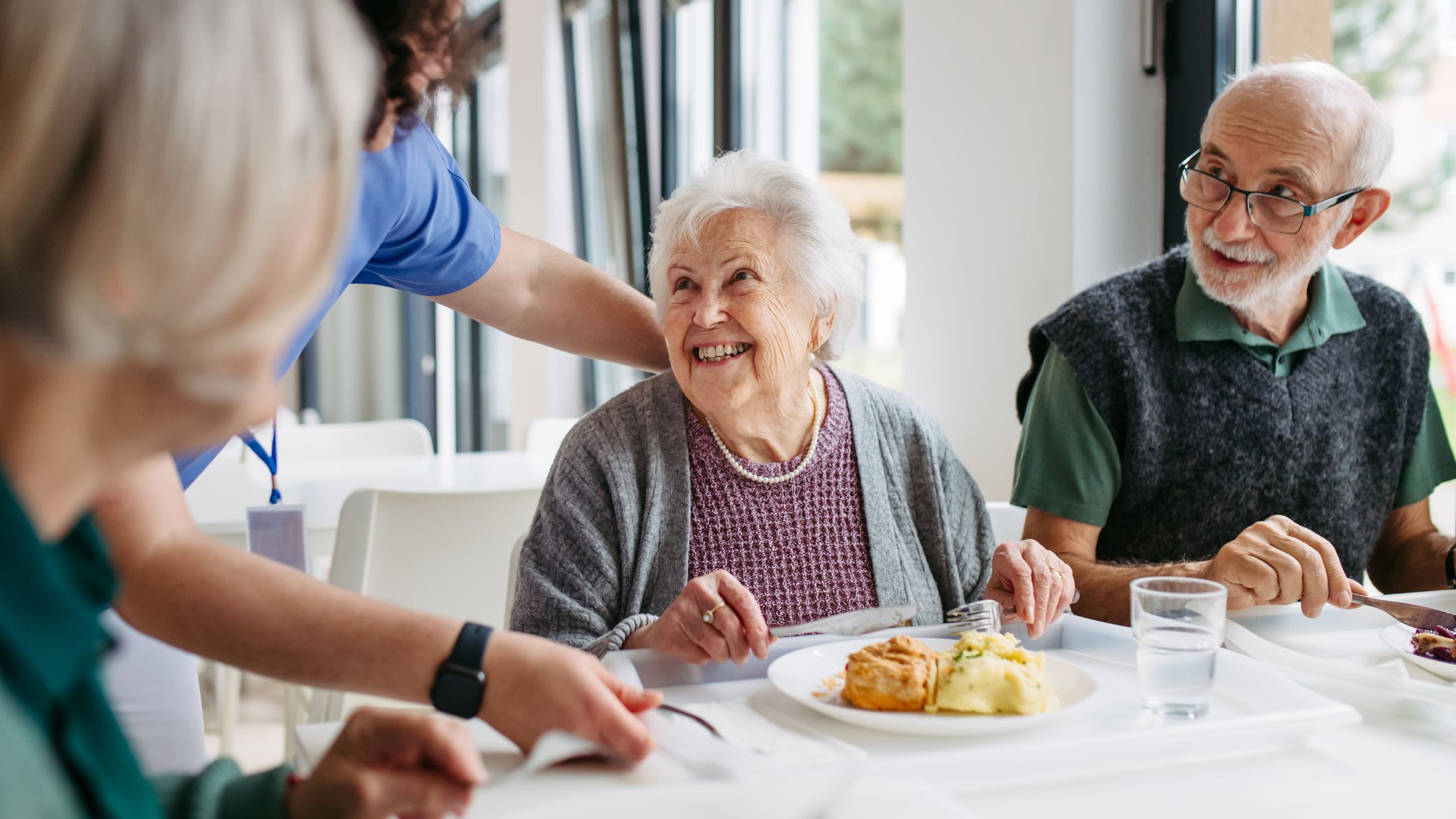
At first, it seems reasonable. The weather is cold, the parking is a hassle, and your parent insists they're perfectly happy at home. But over time, you start noticing a pattern: declined invitations, skipped appointments, cancelled plans with friends. The world outside is slowly shrinking — and your parent isn't pushing back.
For many older adults across the GTA and York Region, reduced outings aren't simply a lifestyle preference. They're often a quiet sign that something has shifted — physically, emotionally, or both. Recognising what's driving the withdrawal is the first step toward helping your parent reclaim a fuller, more connected life.
Why Older Adults Stop Going Out
The reasons are rarely simple, and they're almost never laziness. Some of the most common factors include:
- Fear of falling. A stumble on an icy sidewalk, a near-miss on unfamiliar stairs — these moments leave a lasting impression. Many seniors quietly scale back their activities to reduce the risk of another fall, even when they're physically capable of much more.
- Loss of driving privileges. When a parent stops driving, the logistics of getting anywhere can feel overwhelming. Depending on others for rides can feel like a loss of dignity, so some older adults simply opt out rather than ask.
- Low energy or chronic pain. Conditions like arthritis, heart disease, or fatigue can make an afternoon out feel genuinely daunting, even if the destination is only a short distance away.
- Social anxiety after loss. Grief — particularly following the death of a spouse — can make once-comfortable social settings feel strange and painful. Many widowed seniors withdraw not because they don't want connection, but because it hurts to navigate the world alone.
- Cognitive changes. Early memory concerns can make unfamiliar environments feel unsettling. Your parent may avoid situations where they worry about getting confused or disoriented.
Understanding which of these factors is at play for your parent will help you respond in a way that feels supportive rather than pushy.
Why Getting Out Still Matters
The benefits of leaving the house regularly go well beyond a breath of fresh air. Research consistently links social engagement and physical activity to better cognitive health, lower rates of depression, and improved overall wellbeing in older adults. Even small outings — a walk around the block, a trip to a local café, an errand to the pharmacy — provide stimulation, routine, and a sense of participation in ordinary life.
Conversely, prolonged homebound isolation is associated with faster cognitive decline, higher rates of anxiety and depression, and reduced physical function. Staying inside to "stay safe" can, paradoxically, create its own set of risks over time.
Practical Ways to Help Your Parent Get Out More
Start small and low-pressure
Rather than suggesting a full afternoon at the mall or a busy family gathering, propose short, predictable outings your parent can look forward to without feeling overwhelmed. A regular coffee at a nearby café, a slow walk through a familiar park, or a browse at the local library can be genuinely restorative — and easy to build into a weekly routine.
Address the transportation gap
If driving is no longer an option, help your parent build a reliable set of alternatives. Many municipalities across the GTA — including Toronto, Mississauga, and Markham — offer Wheel-Trans and equivalent accessible transit programs for seniors and people with disabilities. Ride-share apps, community shuttles, and coordinated rides from family members can all reduce the logistical friction that keeps a parent housebound.
Make outings feel safe, not scary
If fear of falling is a factor, a simple conversation with your parent's doctor about balance, mobility aids, or physiotherapy referrals can make a meaningful difference. Wearing supportive footwear, choosing flat surfaces and accessible destinations, and having a reliable companion alongside can ease anxiety and rebuild confidence gradually.
Reconnect them with familiar interests
Think about what your parent used to love before the withdrawal started. A favourite shop, a community centre they once attended, a garden centre in the spring. Anchoring outings to genuine interest makes them feel purposeful rather than medicinal — and gives your parent something to look forward to rather than endure.
Consider a consistent companion
One of the most effective things a family can arrange is a regular, trusted companion who becomes part of the weekly rhythm. When your parent has the same friendly face showing up each week — someone who knows their pace, their preferences, and where they like to go — outings stop feeling like a production and start feeling natural. A reliable companion can handle logistics, provide steady support on uneven ground, and simply make it more enjoyable to leave the house.
At Hearthlane, our companion caregivers provide exactly this kind of consistent, unhurried support — including accompanying clients on errands, walks, and local outings across the GTA and York Region. We're launching in 2026, and families who'd like to secure a caregiver early are welcome to join our waitlist to be among the first to hear from us.
What to Watch For
If your parent's reluctance to leave home is increasing rather than stabilising, keep a gentle eye on a few things: declining personal hygiene (which can signal depression), increased confusion or forgetfulness, unexplained weight changes, or expressions of hopelessness. These can all point to something beyond simple homebodiness and may warrant a conversation with their family doctor.
Trust your instincts. If something feels like a significant change from who your parent has always been, it usually is.
A Smaller World Isn't Inevitable
It can be tempting to respect a parent's reluctance to go out as simply their preference — especially when life is busy and logistics are complicated. But staying connected to the outside world is one of the most important things an aging parent can do for their health, their mood, and their sense of self.
With a little patience, the right support, and a consistent presence in their corner, many older adults find their confidence — and their appetite for life outside the front door — gradually returns.