When we think about keeping an aging parent safe at home, we often focus on fall hazards, medication schedules, or getting to appointments. Hydration rarely tops the list. Yet dehydration is one of the most common — and most preventable — reasons older adults end up in emergency departments across Ontario every year.
If your parent lives alone, or if you're not around during the day to notice what they're eating and drinking, it's worth taking a closer look at this quiet but significant risk.
Why Older Adults Are More Vulnerable to Dehydration
The body's ability to regulate fluid changes with age, and not in a helpful direction. Older adults tend to experience a reduced sense of thirst, which means your parent may genuinely not feel the urge to drink even when their body needs water. A few other factors compound the problem:
- Certain medications — including diuretics commonly prescribed for blood pressure or heart conditions — increase fluid loss.
- Reduced kidney efficiency makes it harder for the body to conserve water.
- Mobility challenges can make getting up to fetch a glass of water feel like more effort than it's worth.
- Cognitive changes, even mild ones, can disrupt the habit of drinking regularly throughout the day.
- Fear of incontinence leads some older adults to deliberately drink less, especially if they're worried about accidents or night-time trips to the bathroom.
During warmer months, the risk climbs further. Ontario summers can bring prolonged heat, and older adults living alone may not have air conditioning or may not think to use it. But dehydration is a year-round concern — indoor heating in winter dries out the air and can accelerate fluid loss without anyone realizing it.
Signs Your Parent May Not Be Drinking Enough
Because older adults often don't feel thirsty until they're already quite dehydrated, it helps to know the secondary signs. Some are subtle and easy to attribute to other causes:
- Confusion, unusual fatigue, or seeming more foggy than usual
- Headaches, especially in the afternoon
- Dark urine or going long stretches without needing the bathroom
- Dry mouth, cracked lips, or dry skin
- Dizziness when standing up, which can increase fall risk
- Constipation that doesn't seem to improve
- A noticeable drop in energy or motivation
If you've noticed any of these on a recent visit, or if your parent has mentioned feeling "off" without a clear explanation, it's worth having a conversation with their family doctor. Some of these symptoms overlap with other conditions, so professional guidance matters.
Practical Strategies That Actually Work
The good news is that helping an older parent stay better hydrated doesn't require complicated interventions. Small, consistent changes tend to work best.
Make fluids easy to reach
A filled water bottle or glass on the kitchen table, the bedside table, and in the living room means your parent doesn't have to walk to the kitchen every time. Out of sight really is out of mind when thirst signals are dulled.
Offer variety
Plain water isn't the only option. Herbal teas, warm broths, diluted juice, sparkling water, or even a favourite fruit-infused water can make drinking feel less like a chore. Many fruits and vegetables — cucumbers, watermelon, oranges, soups — also contribute meaningfully to daily fluid intake.
Build it into the routine
Linking a drink to an existing habit helps enormously. A glass of water with morning medication, a cup of tea after lunch, a warm drink before bed — these anchors take the reliance off thirst cues and turn hydration into something that simply happens.
Gentle reminders without nagging
Most parents don't respond well to being told what to do. A light, caring check-in — "Have you had something to drink lately?" during a phone call, or a note on the fridge — tends to land better than a lecture. This is also where having a regular caregiver makes a real difference: a familiar, trusted face who naturally offers a cup of tea or notices the water glass hasn't moved is far more effective than a reminder app.
How In-Home Companion Care Can Help
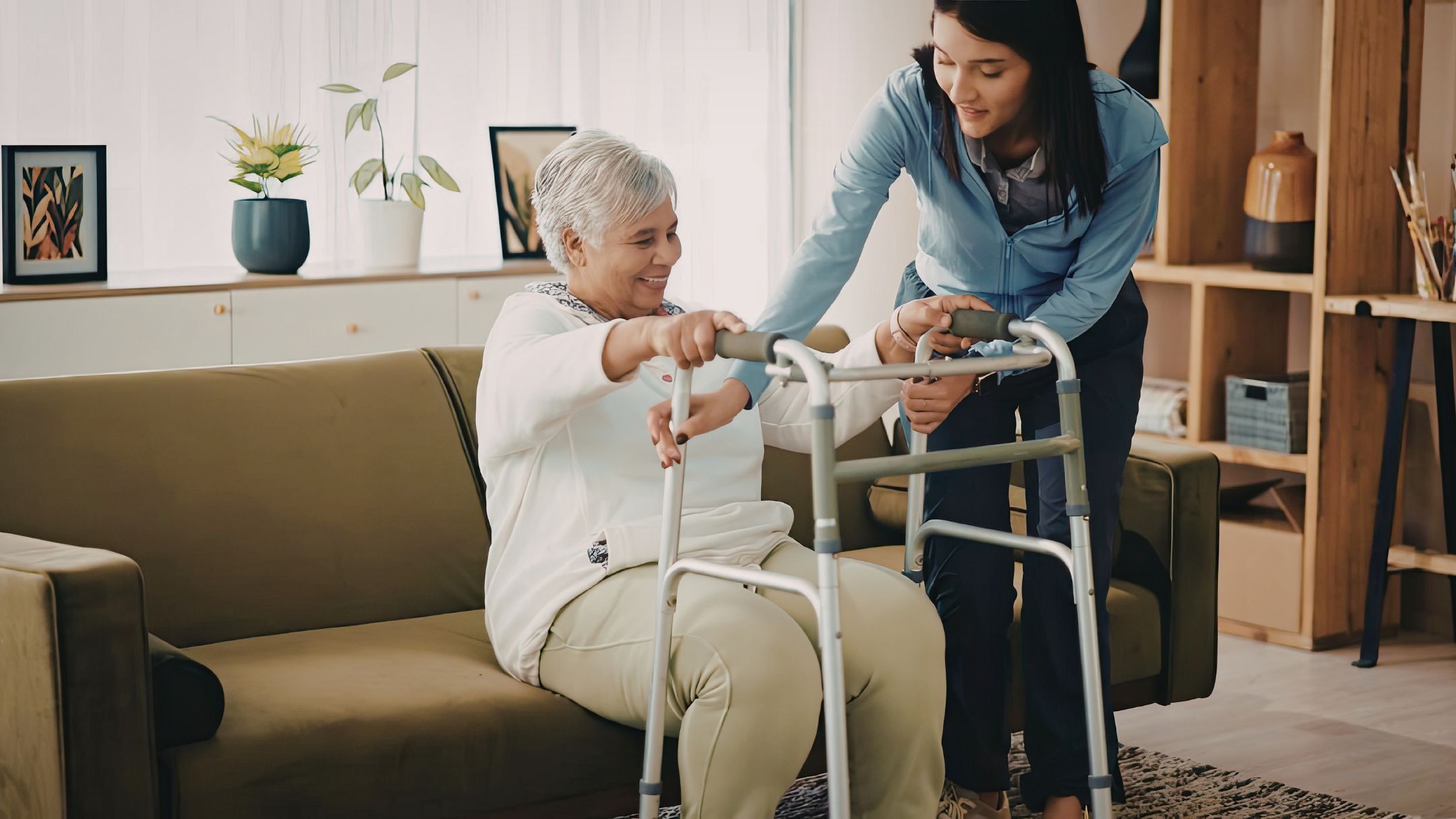
One of the quieter but genuinely valuable things a companion caregiver does is keep an eye on the small daily details that are easy to miss from a distance. During a regular visit, a caregiver can prepare a warm meal or snack that includes hydrating foods, notice whether your parent seems more tired or confused than usual, and gently encourage drinking throughout the visit — all without making it feel like a medical intervention.
Because Hearthlane matches families with the same caregiver each week, that person gets to know your parent's habits and baseline. They'll notice if something seems off — including signs that your parent isn't drinking enough — and can pass that information along to your family so you can follow up with a doctor if needed.
If you're thinking ahead about support for a parent living alone in the GTA or York Region, you're welcome to join the Hearthlane waitlist. We're launching in 2026, and getting on the list now means we can reach out to you first when care becomes available in your area.
A Small Thing With a Big Impact
Hydration isn't a glamorous topic, but it sits at the foundation of so much else — energy, cognition, mobility, and mood. For an older adult living at home, drinking enough each day can be the difference between a good week and a difficult one.
As with most things in elder care, the solution isn't complicated. It's consistency, presence, and someone paying gentle attention. That's something family members provide when they can — and something a good companion caregiver helps fill in the rest of the time.